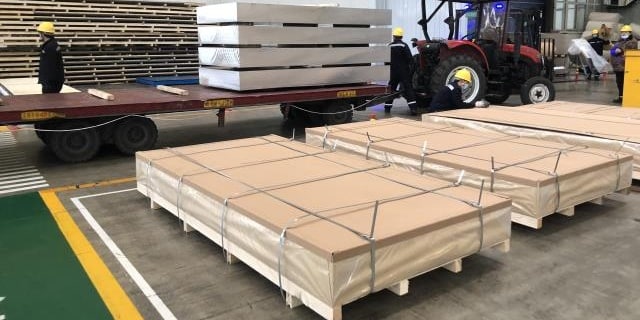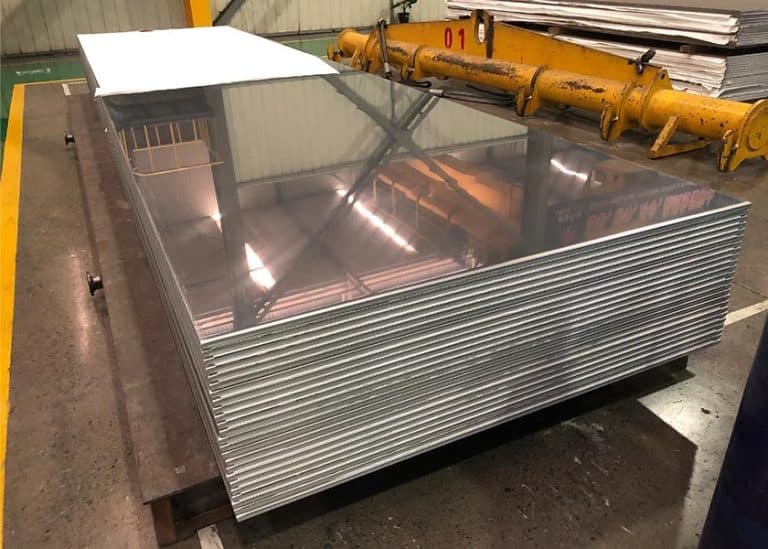
5083 aluminum alloy is frequently used in marine transportation, primarily because it offers excellent resistance to seawater corrosion. So, how do you choose 5083 aluminum plates for the fabrication of offshore containers and modules?
First, let’s look at a request sent by a procurement manager at a company that specializes in manufacturing mobile prefabricated containerized modules:
| Alloy temper | Thickness | Size | Application Areas |
| 5083-H32 | 4mm | 4ft × 8 ft (1220 × 2440 mm) | Walls |
| 5083-H32 | 8mm | 4ft × 8 ft (1220 × 2440 mm) | Forklift Pockets |
| 5083-H32 | 12mm | 4ft × 8 ft (1220 × 2440 mm) | Padeyes |
Key Points to Note
Key information that international industrial purchasing managers (particularly those in offshore engineering, modular construction, and specialized container manufacturing) look for when searching for aluminum sheet suppliers:

1.Materials Suitable for Marine Environments
The marine environments to which containers must be adapted include salt fog, high humidity, and heavy loads.
5083-H32, as a marine-grade aluminum alloy, offers extremely high resistance to seawater corrosion, excellent weldability, and high strength, making it the preferred choice for marine engineering and shipping containers.
Some may suggest 3003 or 6061 aluminum alloys, but these two alloys are inferior to 5083 in terms of corrosion resistance and structural strength.
Dimension Standard: 4 ft × 8 ft (1220 × 2440 mm): One of the most standard dimensions in international container modification and modular manufacturing. It meets the safety requirements for heavy loads and lifting operations (load-bearing capacity for pad-eyes and forklift pockets).
2.Multi-gauge Combination
Modular containers have different thickness requirements for aluminum sheets. The functional roles of different thicknesses in containers are as follows:
- 4 mm: Used for corrugated walls, recessed end walls, reinforcing plates, and floors and roofs. Requires good stamping/formability.
- 8 mm: Used for base sacrificial plates and forklift pockets. Must withstand heavy loads and mechanical wear.
- 12 mm: Used for pad-eyes and lifting lugs. These serve as the key load-bearing points for container lifting and require extremely high standards for the aluminum sheet’s internal quality, thickness tolerance, and tensile strength.
3.Fabrication & Supply Reliability
5083 aluminum sheet offers high weldability and structural integrity, preventing cracking during cutting, welding, and corrugation.
It is available in 4 ft x 8 ft dimensions and can be supplied in stable, bulk quantities.
In fact, for offshore/maritime containers, classification society certification is typically required. Our company can provide certification from the following classification societies: LR, ABS, BV, and KR.
FAQ
Q1: What are the common sizes for aluminum sheets used in shipping containers?
A: 4 ft × 8 ft (1220 × 2440 mm) is one of the common sizes.
Q2: When requesting a quote, is it sufficient to provide only the thickness, width, and length?
A: You’ll also need to specify the quantity so the factory can provide a mill-direct quotation.
Contact Us: https://www.aluminum-alloy-price.com/contact-us/
Email: sales01@mingtai-al.com
WeChat/Whatsapp:+86 193 3780 2645