Why Aluminum Gauge Selection Matters in Structural Applications
What Factors Determine the Appropriate Aluminum Sheet Metal Gauge?
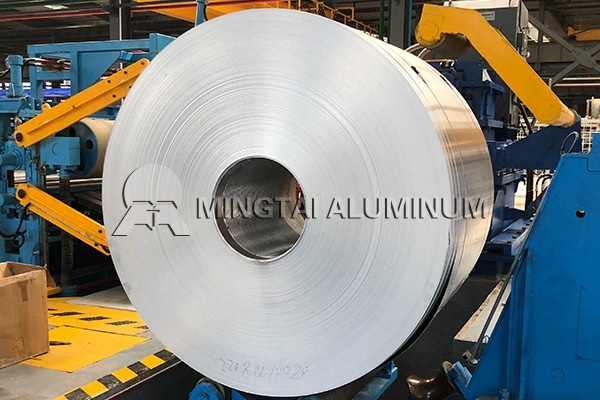
Picking the right aluminum sheet metal gauge shapes how well a part holds up and lasts. Load needs and sheet thickness work together to control bending under stress. Thin sheets work fine for light covers. Thicker ones handle heavy loads or hits.
Alloy type and temper also guide the best aluminum thickness gauge. 1350 aluminum sheet coils stand out for strong conductivity, good corrosion resistance, and easy forming. They serve many fields. 5251 aluminum sheet goes into rail parts, transport frames, and aerospace items. Alloy choice, therefore, ties directly to gauge needs for each setting.
Surroundings like salt air or heat swings affect gauge picks, too. Marine alloys such as 5059 aluminum sheet appear in LNG tanks, gas cylinders, ships, and tank trucks. Both corrosion strength and the right thickness stop leaks or fatigue.
How Incorrect Aluminum Thickness Gauge Selection Leads to Structural Weakness
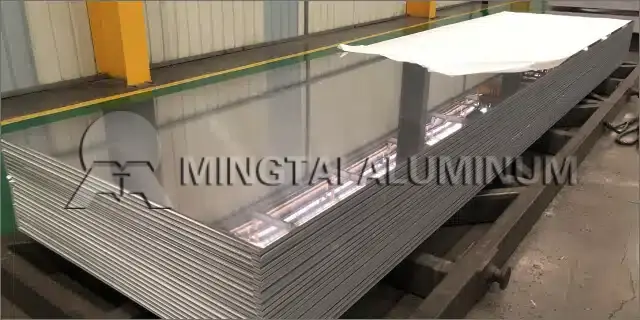
Wrong sheet metal gauge thickness creates real problems. Thin material under high stress bends or cracks early. Fatigue shows up fast under vibration or repeated loads, common in aircraft and car parts.
Thicker sheets raise the weight and cost without extra gain. In cars, auto sheet metal thickness must balance crash safety with low drag. Too much metal hurts fuel use and makes forming harder.
What Role Does MINGTAI ALUMINUM Play in Providing Reliable Gauge Options?
MINGTAI ALUMINUM keeps tight standards on every run of aluminum sheet gauge sizes. We cover many alloys and tempers for factory use. MINGTAI ALUMINUM can produce 1050 aluminum sheets with a width of 20-2650mm and a thickness of 0.1-500mm, which can be customized. Engineers can order exact sizes that match their load needs.
We run strict checks so sheet metal thickness measurement stays steady from batch to batch. ISO 9001 and ISO 14001 certificates back our focus on accuracy.
How to Measure Aluminum Sheet Metal Thickness Accurately
What Are the Standard Techniques for Sheet Metal Thickness Measurement?
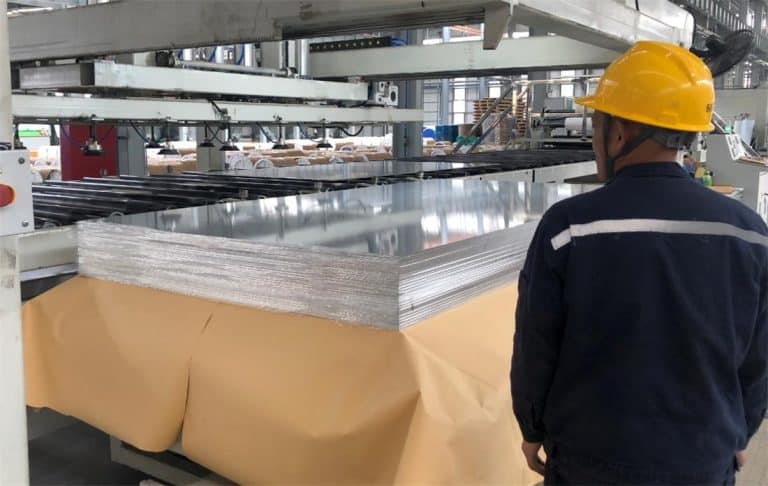
Good material thickness measurement confirms parts meet drawings. Micrometers, calipers, and ultrasonic tools give clear readings at many spots. Regular calibration cuts error during sheet metal thickness measurement.
Check several places to catch rolling marks. This step matters most with 16-gauge aluminum sheet metal, where small gaps change the fit.
How Does Material Thickness Variation Affect Forming and Welding?
Metal forming thickness changes can distort bends or stamps. Uneven spots take heat differently in welds and cause warping. Set tolerance limits from real performance needs. This keeps weld strength steady in aerospace and auto work.
Why Is It Important to Match Auto Sheet Metal Thickness with Design Requirements?
Car panels need set gauge ranges for crash strength and airflow. 16-gauge aluminum thickness often goes on inner frames for extra strength. 20-gauge aluminum thickness fits outer skins where low weight counts more. Match the plan to the actual auto sheet metal thickness and avoid weak spots or waste.
What Are the Common Mistakes in Choosing Aluminum Sheet Gauge Sizes?
How Misinterpretation of Gauge Numbers Causes Errors in Fabrication
People often mix AWG rules with maker charts and get the wrong sizes. Missing the step that turns gauge numbers into millimeters creates gaps between drawings and bought stock. Remember that lower gauge numbers mean thicker sheets on most aluminum sheet metal gauge charts.
Why Ignoring Sheet Metal Gauge Thickness Tolerances Can Lead to Failures
Skip tolerance checks at order time and parts may not line up. Joints then fail under load. Run checks with calibrated tools for sheet metal thickness measurement to catch issues early.
How Poor Communication Between Design and Production Teams Affects Material Choice
Design teams and shop staff sometimes miss each other on allowed sizes. Set joint reviews so everyone knows the limits before work starts. This cuts rework from bad aluminum sheet metal gauges.
How to Prevent Structural Failure Through Proper Aluminum Gauge Selection
What are the Engineering Guidelines for selecting an optimal aluminum thickness gauge?
Use FEA models to test stress on different gauges under expected loads. These runs show where to thin or add support without losing safety margins. Factor in vibration, hits, cycles, and heat growth when picking the right aluminum thickness gauge.
How Can Manufacturers Implement Quality Control in Metal Forming Thickness Processes?
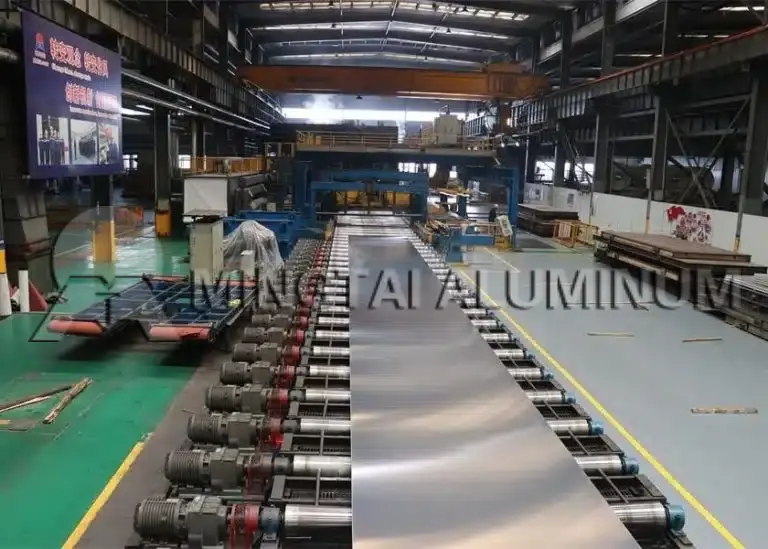
Check every step of rolling, cutting, and forming. Laser sensors track sheet metal thickness measurement live and flag out-of-range spots right away. Keep records for each lot so data stays traceable.
MINGTAI ALUMINUM uses these systems to hold size steady on every line.
What Preventive Measures Reduce the Risk of Structural Failure?
Schedule regular checks over the part's life to spot wear or corrosion early. Fix any reading outside set limits. Train teams on correct material picks using MINGTAI ALUMINUM stock such as 6061-T651 4x8 Aluminum Sheet - (ASTM B209, QQ-A-250/11). It gives strength, corrosion resistance, and easy machining for frames that need tight size control.
FAQ
Q: What is the difference between aluminum sheet metal gauge and sheet metal thickness measurement?
A: Gauge is the number system that stands for thickness. Sheet metal thickness measurement is the act of checking that value with tools.
Q: How do I measure aluminum thickness accurately before fabrication?
A: Use calibrated calipers or ultrasonic gauges. Take readings at several points. Compare them to the aluminum sheet gauge sizes listed by MINGTAI ALUMINUM.
Q: Which aluminum sheet gauge sizes are suitable for automotive applications?
A: Cars often use 16-gauge aluminum thickness on inner parts that need strength. A 20-gauge aluminum thickness works for outer panels where weight matters most.
Q: Can incorrect sheet metal gauge thickness cause structural failure?
A: Yes. Wrong sheet metal gauge thickness leaves parts too weak for loads, lets them bend too much, or starts cracks over time when vibration or corrosion is ignored.
Q: How does MINGTAI ALUMINUM ensure consistency in material thickness?
A: We run advanced rolling lines and calibration checks with strong quality rules. This keeps sizes uniform in every batch for reliable results in tough jobs.