What Are Aluminum Alloy Sheets Used for in Railway Rolling Stock?
The Role of Aluminum in Modern Railcar Design
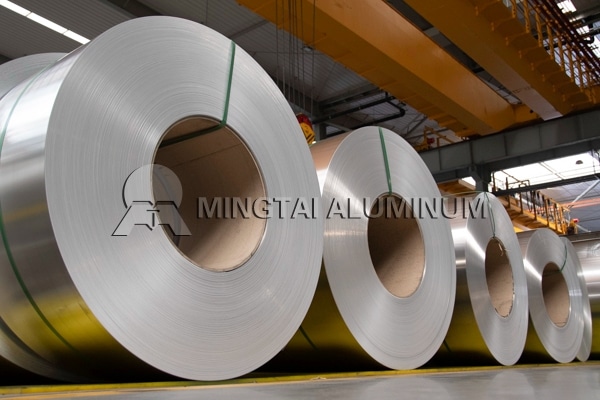
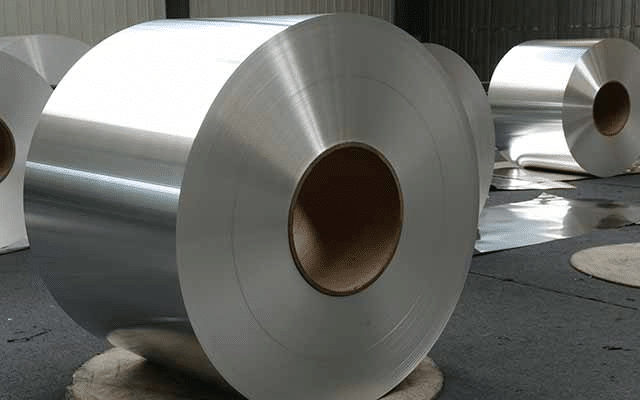
Aluminum alloy sheets for railway rolling stock play a key role in today's transport engineering. They offer high strength along with low density. They also resist corrosion well. These traits matter a lot for high-speed trains, metro cars, and light rail vehicles. The lightweight nature of aluminum alloy sheet metal helps with faster acceleration. It also cuts energy use and running costs. This makes aluminum alloy sheets for railcars a solid pick for green rail production.
Key Applications in Railway Manufacturing
In railway manufacturing, aluminum sheet alloy materials go into many structural parts. Side panels, roofs, floors, and under frames often use strong alloys. These alloys keep things rigid yet light. Interior fittings and cladding rely on aluminum alloy sheet metal. It shapes easily and gives a clean surface. Aluminum components for electric trains use the material's good conductivity. This lowers power loss during runs.
Advantages Over Traditional Materials
Aluminum alloy sheet gives a better strength-to-weight balance than steel. It does not lose durability or performance. The material recycles well. This fits global goals for reuse in rail work. Aluminum alloys also cut noise and vibration. That improves comfort for riders in aluminium rolling stock systems.
Which Aluminum Alloy Grades Are Commonly Used for Railcars?
High-Strength Alloys for Structural Integrity
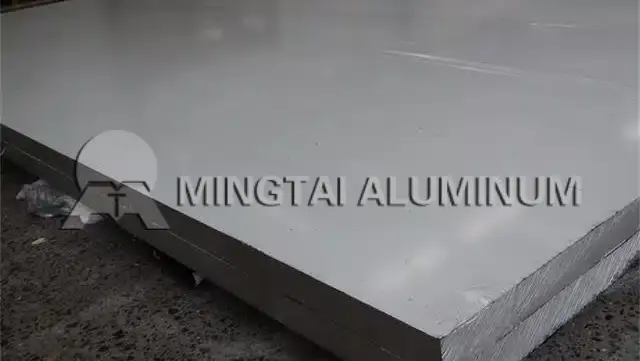
5083 and 5454 stand out for fatigue resistance under rolling stock loads. 6061 aluminum sheet alloy offers a good mix of machining and welding traits. 5251 serves rail transit gear often. 5251 aluminum sheet brings medium strength and hardness. Alloys with magnesium fight corrosion. Cold working boosts weldability. They form with ease. These traits suit load-bearing frames and bolsters that need long life.
Corrosion-Resistant Alloys for Exterior Panels
5052 alloy handles humidity and salt air well on outer panels. It fits structural parts in rail transit and aerospace aluminum products. It trims equipment weight and aids eco-friendly energy saving. Marine-grade options like 5059 last longer near coasts. MINGTAI ALUMINUM makes 5059 marine aluminum plates, 5059 tank car aluminum plates, 5059 medium-thick aluminum plates, 5059 ultra-wide aluminum plates, and 5059 alloy aluminum plates. Anodizing adds protection and gives a neat look to coach outsides.
Specialized Alloys for Electric Train Components
Electric train systems use conductive alloys. These alloys keep weight low while aiding power flow. They raise efficiency in traction and support circuits. MINGTAI ALUMINUM builds custom mixes that match strength needs for electric train assemblies.
How Are Aluminum Alloy Sheets Processed for Railway Applications?
Rolling and Heat Treatment Processes
Hot rolling starts the process. It creates an even grain structure. This supports stable performance under repeated loads. Heat treatment then sets the right hardness. Cooling stays controlled to limit stress before forming.
Welding, Joining, and Forming Techniques
MIG and TIG welding join large car body parts. Friction stir welding builds strong seams without filler. This helps continuous sidewall lines. Precision forming shapes complex curves while holding tight sizes on big panels.
Surface Finishing and Quality Control Standards
Anodizing boosts corrosion resistance and adds finish for passenger areas. Quality checks follow EN rules for rail materials. MINGTAI ALUMINUM runs multi-stage checks on every rolled batch before shipping.
Why Choose MINGTAI ALUMINUM for Railway Rolling Stock Projects?
Expertise in Large-Specification Sheet Production
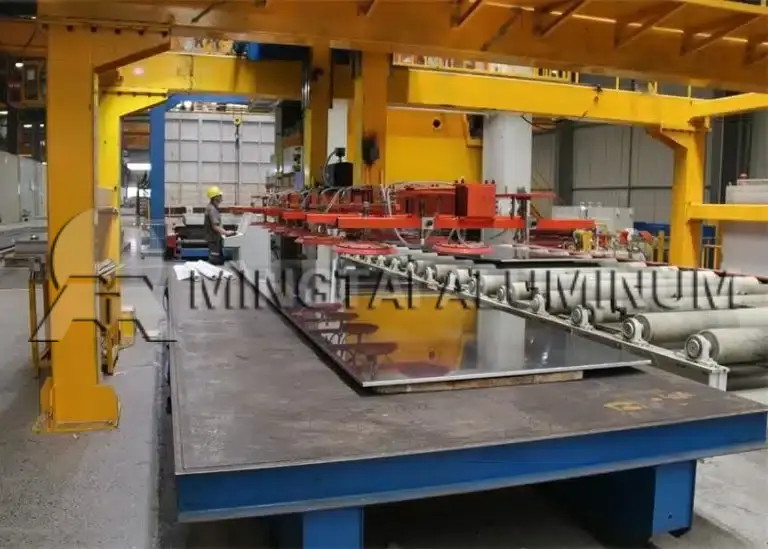
We make wide sheets that cover full car body panels. Fewer welds mean better structure. Thickness stays steady across lines. This aids smooth welding between parts.
Custom Alloy Solutions Tailored to Project Needs
Our teams work with clients on mechanical goals. We match EN, JIS, or ASTM rules. Alloy tweaks give the right results for commuter trains or freight wagons.
Proven Reliability Across Global Railway Systems
Our materials run on many high-speed rail lines. Long-term data confirm good results. MINGTAI ALUMINUM added a six-high cold rolling mill from SMS Germany. This supports steady output for big global rail jobs.
What Factors Influence the Selection of Aluminum Sheets for Railcar Design?
Mechanical Performance Requirements by Car Type
Each type of aluminium rolling stock sets its own material needs. Passenger coaches value looks and crash safety. Freight cars focus on payload through strength-to-weight balance. Electric train units need both conductivity and stiffness in frames.
Environmental Conditions and Maintenance Considerations
Local weather guides alloy choice. Temperature swings affect expansion. Corrosion resistance matters most in damp or coastal zones.
Cost Efficiency and Lifecycle Value Assessment
Upfront costs may run higher than steel. Yet lower upkeep over time often gives better value. Recycling adds savings after service ends.
FAQ
Q: What are the main benefits of using aluminum alloy sheets for railway rolling stock?
A: Aluminum alloy sheets are very light but have a high tensile strength, are resistant to corrosion, save energy, and are flexible enough for any design. These advantages especially enhance the performance of aluminum rolling stock.
Q: Which grades of aluminum alloy sheets are most suitable for railcars?
A: Some of the more common grades of aluminum are 5052, 5083, 5454, 5251, and 6061. These grades have a good strength combined with good weldability, fatigue strength, and corrosion resistance, making them suitable for both interior and exterior use.
Q: How does MINGTAI ALUMINUM ensure quality in aluminum alloy sheets for railway rolling stock?
A: We use hot rolling plus exact heat treatment. Multi-stage checks then confirm compliance with rail material standards.
Q: Can aluminum components be used effectively in electric trains?
A: Yes. Aluminum components for electric trains combine low weight with strong conductivity. This supports efficient energy transfer in traction systems.
Q: What factors should engineers consider when selecting aluminum alloy sheets for railcars?
A: Engineers review load profiles, weather exposure, joining methods, full lifecycle costs, and local rules before choosing materials.