The budget meeting ends with a number in the aluminum price forecast cell. Then the purchasing work starts. That number still needs a metal reference, date and buying window; the order needs alloy, temper, size, quantity and destination. With Middle East smelter, power and shipping risks moving, those notes matter more than another decimal.

What can an aluminum price forecast tell buyers in 2026–2027?
What can a 2026–2027 forecast reasonably show?
The World Bank's October 2025 Commodity Markets Outlook expected most base-metal prices to firm in 2026–2027, with modest demand meeting tighter supply. Disruptions, trade restrictions and data-center growth were upside risks. Weaker growth could pull the other way.
Reuters connected multi-year aluminum highs in March 2026 with attacks on regional smelters and shipping trouble, then followed outages and recovery. A purchasing note might read, “base case unchanged; supply risk higher.” That is a useful aluminum price forecast entry. One future price beside every alloy and destination is not.
What can an aluminum price forecast not replace?
One contains the market view. The other prices a defined product, with metal basis, processing charge, currency, freight treatment, delivery scope and expiry. The order uses the second.
A copied budget may miss an unavailable width, changed delivery week or duty outside the total. An aluminum price forecast prompts the review; the current offer supplies the commercial answer.
LME Benchmarks in the 2026–2027 Aluminum Price Forecast
How does the LME benchmark relate to regional premiums?
An LME screen shows the reference market. Finished plate has other costs. Regional premium, conversion, freight, insurance, tax or another local adjustment can sit between the screen and delivered total.
One workbook uses daily cash; another, a three-month contract; a third, a monthly average. The totals will not line up until quotation period, currency and delivery point are visible. An aluminum price forecast without that context starts the comparison badly.
From benchmark movements to a delivered quote
Two offers arrive together. The routine coil has ordinary tolerances and packing. The other RFQ needs a less common alloy, cutting, tighter tolerances, protective packing and inspection. A shared metal reference will not make the totals meet.
MINGTAI ALUMINUM uses the Yangtze River spot aluminum-ingot closing average on the shipment date, plus a processing fee. That is outside an LME calculation. Put the shipment-date reference beside processing scope, currency and validity. Without them, a quotation-method difference may be blamed on the aluminum price forecast.

Which factors drive aluminum plate prices?
How do metal benchmarks and processing charges affect plate prices?
Reviewing the aluminium plate price factors means separating metal from product work. The metal reference takes one line. Alloy, temper, dimensions, finish, cutting and tolerance explain the processing charge; volume, packing, freight, duty and delivery terms complete the offer.
A small batch has difficult dimensions and extra inspection paperwork. Ingot slips, but the finished price barely moves. The metal portion fell while the work remained. A blended unit price would hide that.
How do alloy and dimensions change the final quotation?
An RFQ saying only “aluminum plate” comes back with questions. The drawing helps. Grade, temper, thickness, width, length, quantity and any surface, edge, cutting or inspection needs answer the rest. Blank spaces become supplier assumptions.
In a steel sheet s235 vs aluminium 5754 price per kg comparison, the kilogram figures can look decisive while the drawing says otherwise. Density, thickness, corrosion conditions, forming and joining affect the part. Engineering decides the material change.
Which signals could shape aluminum prices in 2026–2027 after the Middle East crisis?
Which supply, energy and logistics signals should buyers monitor?
Market notes can stay short. One dated line covers the smelter outage; another shows a completed restart, restored power, moving exports or a workable shipping route. Insurance may change logistics before more metal appears.
Primary aluminum uses substantial power, although a particular order depends on region, contract and timing. The unresolved part stays in the aluminum price forecast.
Which demand and inventory signals could change the outlook?
The demand page may be mixed. Construction can be soft while another sector holds up. Manufacturing, transport, packaging and clean-energy investment follow different cycles. Data-center growth is a risk, not known tonnage. Exchange stocks can cool a disruption or tighten the mood.
The budget review keeps three short scenarios: working case, longer squeeze, quicker recovery or weaker demand. A slipped shipment, expired quote or material reference move brings the file back to the table. The aluminum price forecast is now active, not an annual attachment.
How should buyers compare aluminum prices per kg and sheet-size quotes?
How can buyers compare S235 steel and 5754 aluminum on a like-for-like basis?
I move the kilogram prices aside and place the drawing between the offers. A different thickness or quantity ends the total-price comparison.
Once service conditions line up, I return to the steel sheet s235 vs aluminium 5754 price per kg comparison. Density changes part weight; thickness or fabrication may change too. Engineering still reviews corrosion, forming and joining. The job must remain the same.
What should a 5×10 aluminum sheet quote specify?
The next email says “5x10 sheet.” I write “feet?” before entering a figure. The 5x10 aluminum sheet price then sits beside thickness, alloy, temper, quantity, surface, tolerance, destination and documents.
One supplier quoted per sheet, the other per kilogram; freight sits inside only one total. Once the basis matches, the saving changes. I carry forward the repeat size, not the old metal date or processing charge.
How can buyers turn an aluminum price forecast into a sheet inquiry with MINGTAI ALUMINUM?
How can buyers build a sheet RFQ around the forecast and purchase window?
The drawing carries dimensions; the email gives alloy, temper, form, volume, destination and timing. Staged delivery gets call-off dates.
Before sending, I read it as a supplier would. Cut edges? A particular surface? Inspection documents? I add what applies, including packing and currency. The dated aluminum price forecast stays with the budget, explaining the purchase-window review.
When should buyers request a current MINGTAI ALUMINUM sheet, coil or foil quote?
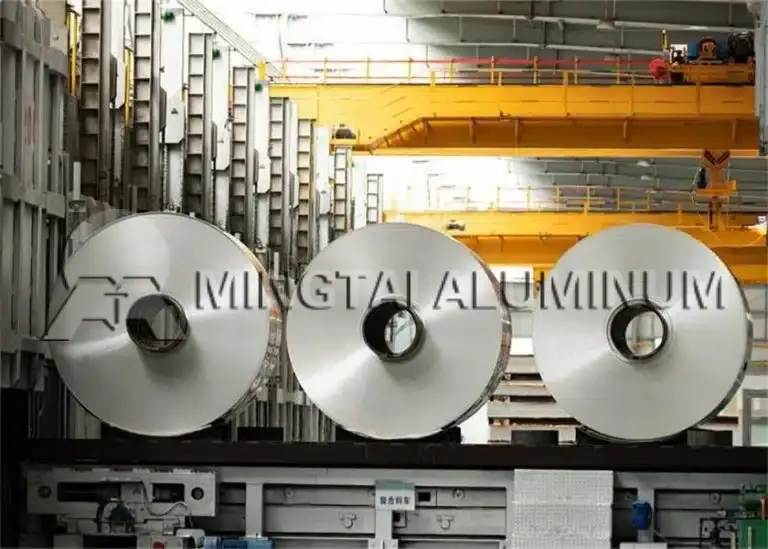
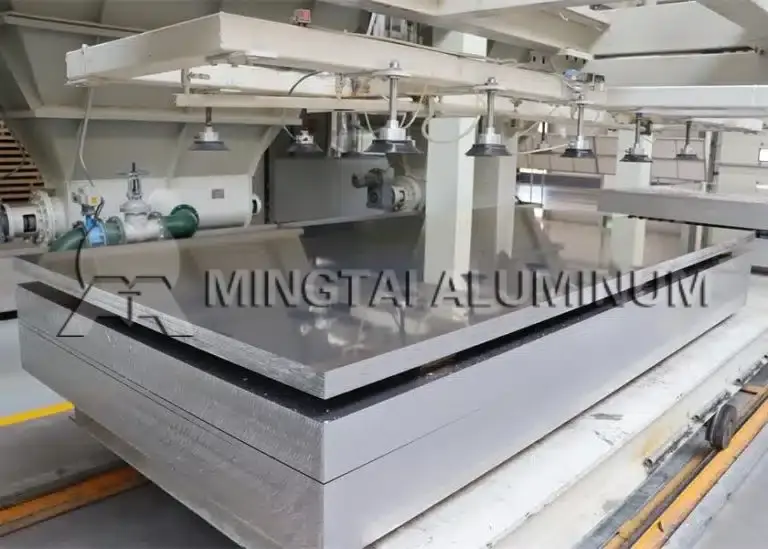
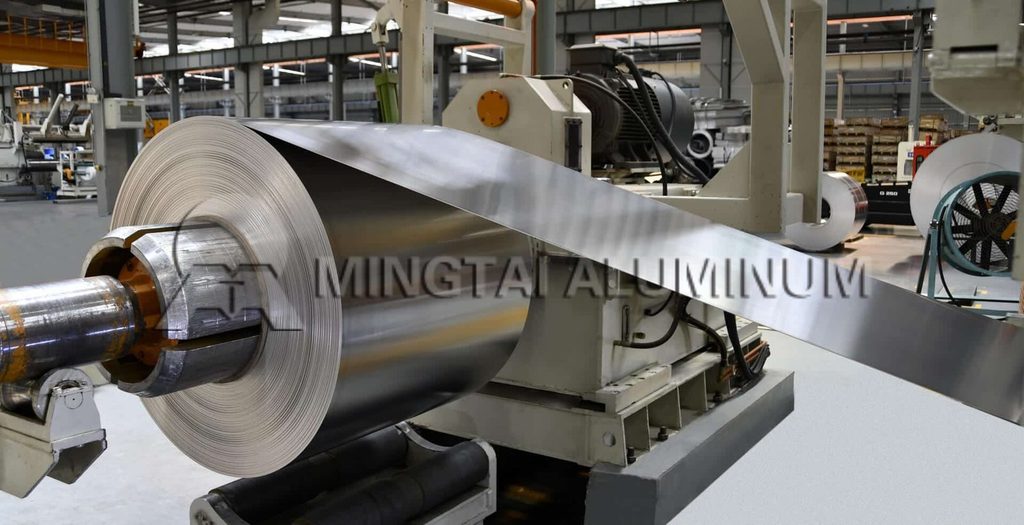
Once drawing and delivery settle, I send it. MINGTAI ALUMINUM produces sheets, coils and foils across alloy series 1–8 and exports globally; large orders may be quoted in RMB or foreign currency. Grade, size and schedule remain specific.
When the sheet, coil or foil quote returns, I read the pricing note first. Metal follows the shipment-date Yangtze spot aluminum-ingot closing average, with processing added. Date and fee scope go into my worksheet beside currency, delivery terms and validity. Expiry gets flagged. Purchasing uses this quotation.
FAQ
Q: How often should buyers update an aluminum price forecast?
A: The calendar alone is a poor trigger. A new outlook, a supply or policy event, or a shifted buying date can reopen the aluminum price forecast. An annual view may remain useful for planning and be stale for an immediate order.
Q: Is an aluminum price forecast the same as a supplier quote?
A: No. The forecast carries market assumptions. The quote carries product specification, delivery scope, price basis and limited validity. Purchasing may need both files, though only one contains order terms.
Q: What should an aluminum price forecast include when comparing a 5×10 aluminum sheet price?
A: Place the offers in adjacent columns, with a third for differences. First line up size unit, thickness, alloy, temper, quantity and pricing unit. Then review surface, destination, freight, tax, price basis, validity and documents. A blank cell matters more than a neat total.