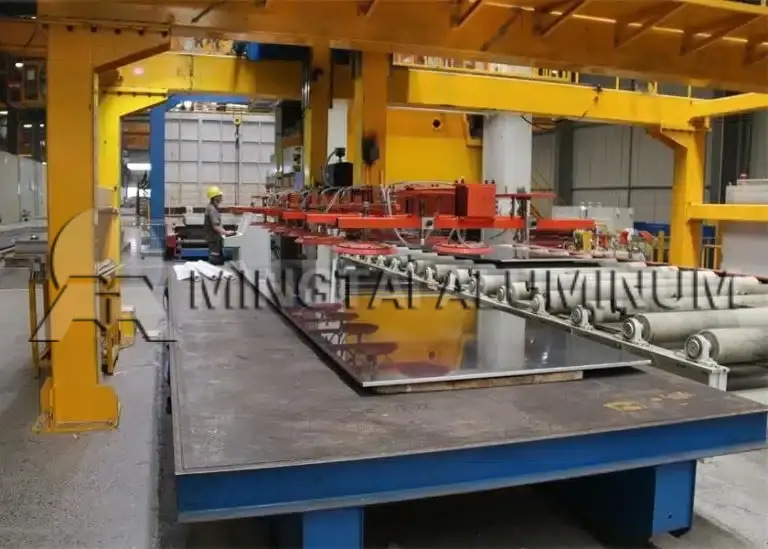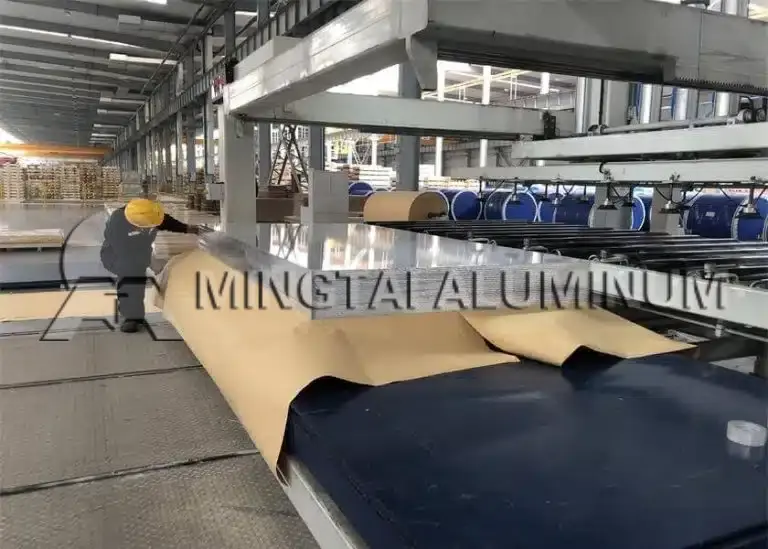
3105 aluminum coil is a non-heat-treatable alloy used when a product needs moderate strength, formability, corrosion resistance, and a clean surface. Buyers often review 3105 aluminum properties and coil applications before choosing material for building products or painted components. They also need to know what a supplier can deliver. This guide covers the alloy’s uses, its comparison with 3003, and the details to check when sourcing coil or 3105 aluminum sheet.
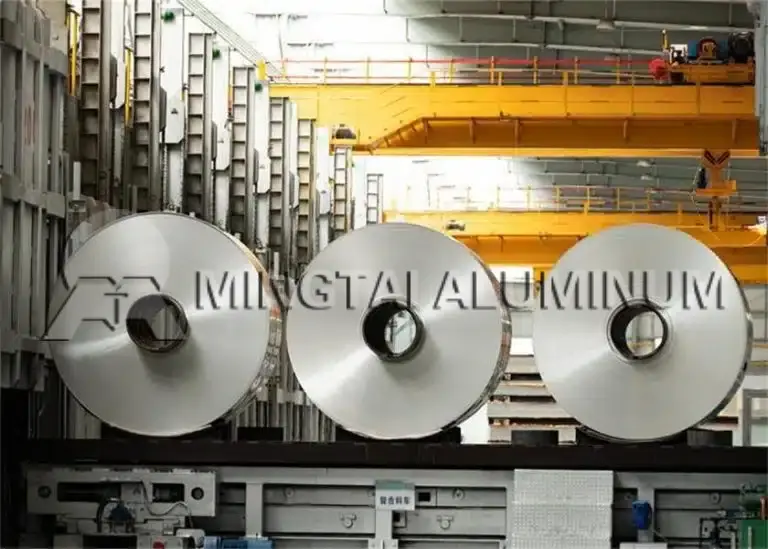
What properties does 3105 aluminum offer?
3105 aluminum belongs to the 3xxx series. Manganese is its main alloying element, and magnesium also contributes to its properties. Heat treatment does not increase its strength. Instead, its temper and processing history affect its final strength and forming behavior. The alloy offers more strength than commercially pure aluminum, resists atmospheric corrosion, and can be formed into panels, trim, and other profiles. Mechanical values vary with temper, thickness, and product standard. Ask for data covering the condition you intend to buy rather than relying on a general alloy description.
How does temper affect forming?
Temper matters because 3105 gains strength through cold working, not heat treatment. A softer condition may suit a part with demanding bends. A harder temper can help a formed panel hold its shape, but it may allow less deformation. Check the specified properties at your required thickness and, when possible, test a sample against the actual part geometry.
Can 3105 aluminum sheet be formed and coated?
In many applications. The alloy can be roll-formed, bent, slit, and cut. It can also accept paint and other common coatings when the surface preparation suits the coating system. For painted parts, specify the finish, surface appearance, and any protective film. 3105 painted aluminum sheet is used for building components that need a consistent finish. Coil coating also lets fabricators work with material that has already been painted.
Do not treat bare, pretreated, and coated material as identical products. Preparation, storage, and handling can affect paint adhesion and appearance. Request specifications for the exact product being supplied. Our aluminum sheet guide provides more information on related flat products.
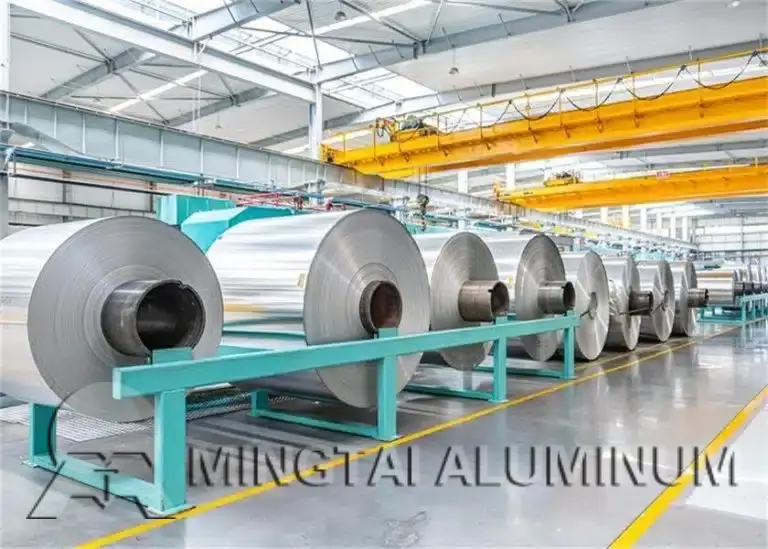
Where is 3105 aluminum coil used?
3105 aluminum coil applications often involve building products made from formed or coated sheet. Examples include siding, roofing accessories, soffits, trim, shutters, partitions, and rainwater goods. The alloy is also used for other formed parts where moderate strength and corrosion resistance matter more than structural load-bearing capacity. The right choice depends on the part’s shape, finish, exposure, and expected service life.
Is 3105 suitable for painted building products?
Coil coating can produce a consistent finish before the metal is cut or profiled. Buyers should define the coating type, color tolerance, gloss, film thickness, and back-coat requirements. They should also tell the supplier whether the painted material will be roll-formed. If appearance is important, request a sample panel and confirm how the surface will be protected during transport and fabrication.
Which coil dimensions should buyers specify?
State the alloy and temper, then list thickness, width, inside diameter, coil weight, edge condition, and dimensional tolerances. Include any slitting, leveling, or cut-to-length requirements. Core size and packing should be clear as well. If the coil will run through a forming line, share the line’s limits and the target part geometry. Those details help the supplier assess the gauge and temper.
For outdoor products, consider the finished assembly as well as the alloy. Water traps, cut edges, fasteners, dissimilar-metal contact, and the local environment can affect corrosion and maintenance. For sheltered products, surface appearance and forming consistency may carry more weight.
How does 3105 compare with 3003 aluminum coil?
The question of 3105 vs 3003 aluminum coil usually starts with the intended use and finish. Both are non-heat-treatable alloys in the manganese series, and both offer good formability and corrosion resistance. 3003 is widely used for general-purpose sheet and formed parts. 3105 is often selected for building products and coated coil.
That does not make the two alloys interchangeable in every order. Temper, thickness, required mechanical properties, and the coating process all affect the finished part. Compare certified properties for the same gauge and temper. If bend quality or appearance is critical, test formed or painted samples before approving a substitution. Our aluminum alloy selection resource covers broader material choices.
What should you check when choosing a 3105 aluminum coil supplier?
A 3105 aluminum coil supplier should quote more than an alloy name and a price. Confirm the product standard, temper, thickness and width tolerances, surface condition, coating details, minimum order quantity, lead time, and packing. Ask for a mill test certificate with lot traceability. Where needed, request coating and dimensional inspection records too.
Compare quotations using the same requirements. Coil weight basis, core dimensions, slitting charges, certificates, delivery terms, and protective materials can all change the total cost. Ask how the supplier handles surface scratches, edge damage, coil set, and mixed lots. It is also worth agreeing on how a quality claim will be documented and resolved.
When evaluating a 3105 aluminum coil manufacturer, check whether it can repeat the approved dimensions and finish across later orders. Can it slit or cut the material to suit your line? Will the coils be protected from moisture and handling damage? At MINGTAI ALUMINUM, we work with customers to match alloy, temper, dimensions, finish, and packing to their forming and delivery needs. Our team can review drawings and target coil dimensions before an order. Put tolerances and acceptance criteria in writing so everyone works from the same specification.
For a new part, a trial coil or sample cut can reveal feed, forming, or finish problems before a recurring order is placed. Our coil packaging and protection guide covers handling considerations.
FAQ
Q: What is 3105 aluminum coil used for?
A: Common uses include siding, roofing accessories, trim, shutters, rainwater goods, and coated panels. It also suits some formed parts that need moderate strength and corrosion resistance.
Q: Is 3105 aluminum sheet paintable?
A: Yes. 3105 aluminum sheet can be supplied pre-painted or painted subsequently. The coating system, color, gloss, surface quality, and forming have to be specified.
Q: What is the difference between 3105 and 3003 aluminum coil?
A: Both alloys are formable 3xxx-series products and are commonly specified for different applications. Review the mechanical and physical properties of each alloy at a specific temper and thickness, and verify that the proposed finish and forming process can be employed to produce the part in question.
Q: How do I choose a 3105 aluminum coil supplier?
A: Verify supplier-issued certificates, lot traceability, dimensional tolerances, coating controls, and processing options. Check the type of packaging used and lead time. Can the supplier repeat the approved specification on future orders?
Q: Which temper is best for 3105 aluminum coil applications?
A: There is no ‘best temper’ as that will depend upon factors such as bend severity, required stiffness, thickness of the material, and the subsequent process. Share the part geometry with the supplier before finalizing the temper.