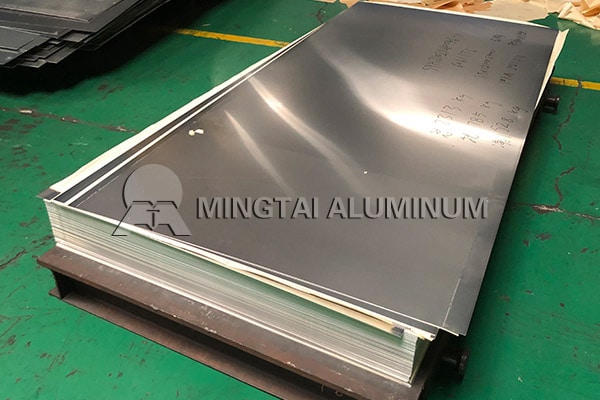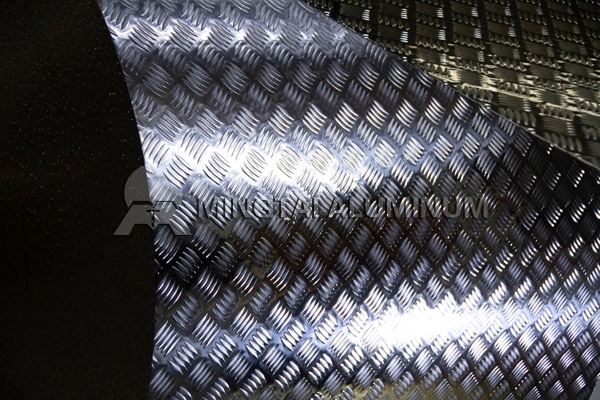
Engineers frequently select 5086 aluminum for projects involving welded frameworks. These assemblies often endure harsh saltwater, outdoor weather, and freezing environments. The magnesium content provides a robust shield against rust and decay. Furthermore, processing the metal is quite straightforward. Manufacturers typically choose 5086 aluminum sheet when crafting shaped components. Conversely, they utilize 5086 aluminum plate for ship hulls, floor decks, storage tanks, and heavy-duty industrial builds.
This alloy is not a universal substitute for steel or other aluminum varieties. Its machining rating is considered average. Since it is non-heat-treatable, it gains toughness only through cold working. Its primary benefits shine when you need excellent welding results, long-term marine endurance, and significant weight reduction.
What Makes 5086 Aluminum Suitable for Demanding Service?
5086 belongs to the 5xxx series of alloys. Magnesium serves as the primary alloying element. Small amounts of manganese and chromium are added to boost structural integrity and rust prevention. Because it does not respond to heat, the metal hardens through mechanical strain.
This internal makeup is perfect for large-scale welded units. During the welding process, the areas near the heat may become slightly softer. Even so, 5086 maintains high joint reliability and keeps its protective qualities. Standard techniques like MIG and TIG welding work best with this grade.
The metal is naturally nonmagnetic. It also stays very tough even in extremely cold temperatures. While machining is possible, softer versions can produce long, stringy chips. This might lead to rough surface finishes. Machine shops handling heavy drilling should use specialized tools and keep speeds under control.
When working with thinner sections, 5086 aluminum sheet offers a solid mix of durability and flexibility. However, bending success depends on the specific temper and thickness. The direction of the grain and the tightness of the bend radius also play a role. A shape that is easy to form in O temper might crack if attempted with a harder marine-grade temper.
Which Properties Matter Most in Marine Service?
Resistance to salty environments is the main reason pros choose 5086 for sea-based work. The metal stands up well to ocean water and humid coastal air. This performance relies on smart design. You must avoid tight gaps where water sits. Using the wrong bolts or touching more active metals can still cause localized pitting.
The density is roughly 2.66 g/cm³ (0.096 lb/in³). This lightness offers a massive advantage over traditional steel. However, aluminum is more flexible than steel. If you simply swap steel for aluminum of the same thickness, the part might feel too springy. You may need to increase the gauge to maintain stiffness.
Key technical data includes an elastic modulus of about 71 GPa. The thermal conductivity is around 125 W/m·K. Chemical limits generally range from 3.5% to 4.5% magnesium. Manganese stays between 0.2% and 0.7%, while chromium is kept at 0.05% to 0.25%.
These numbers are helpful for early planning. Do not use them for final engineering safety checks. Physical traits change based on the temper and the product shape. You should always verify the mill test report. Check it against ASTM or EN standards to ensure compliance.
Which 5086 Aluminum Grades and Tempers Are Common?
The grade refers to the 5086 chemical mix. The temper describes the physical state of the metal. This state determines how strong or bendable the material will be.
| O | Annealed | Softest state, highest flexibility | Complex bending and deep drawing |
| H32 | Work-hardened | Balanced strength and formability | General panels and welded parts |
| H116 | Corrosion-resistant | High strength, resists peeling | Boat hulls and sea structures |
| H321 | Stabilized | Top-tier marine strength | Heavy-duty welded plates |
The O temper is the best choice for parts requiring intense shaping. However, it might be too soft for wide panels that need to stay flat. H32 is a versatile middle-ground option for everyday fabrication.
H116 and H321 are the standard for maritime projects. These should not be swapped without checking the rules. Their testing protocols for corrosion can be quite different. When ordering, always specify the exact temper code instead of using vague terms like "marine-grade."
How Do 5086 Aluminum Sheet and Plate Differ?
The distinction between these two comes down to thickness and how they are used. The chemical recipe remains identical for both.
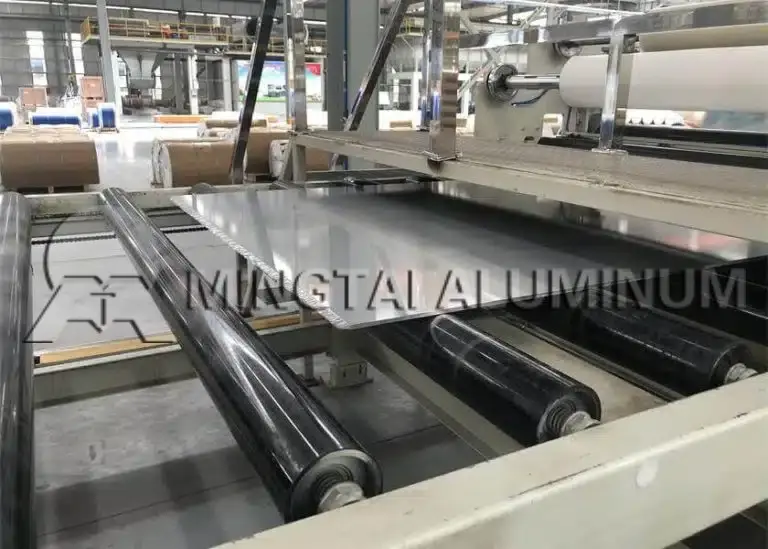
5086 aluminum sheet is thinner and easier to work with. It is ideal for cutting, rolling into cylinders, or bending into boxes. You will see it used for fuel tanks, equipment housings, and light boat decks.
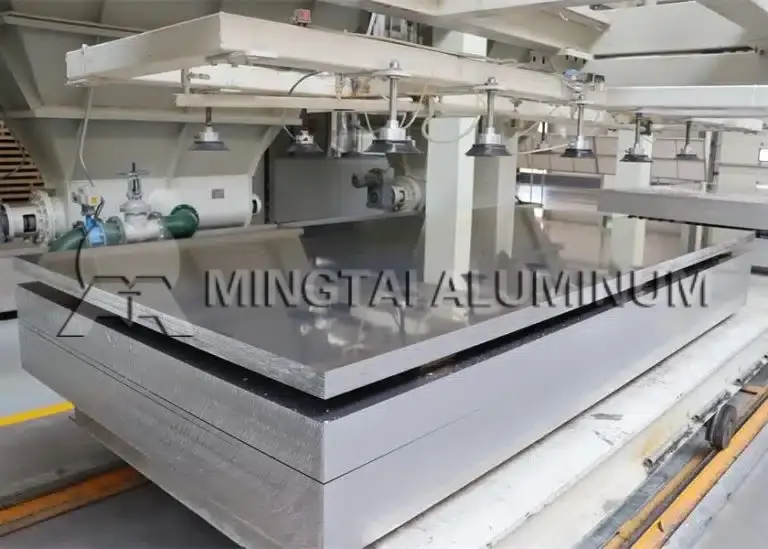
5086 aluminum plate is much thicker. It provides the muscle for boat hulls, internal walls, and heavy support beams. It also offers more material for parts that require heavy milling to reach a final size.
Definitions for "sheet" and "plate" can vary by supplier. Be sure to list the exact dimensions on your purchase order. Using the word "plate" by itself does not guarantee specific flatness or surface quality. Always confirm if you truly need the extra thickness. Heavier metal increases the weight and the cost of the project.
Where Is 5086 Aluminum Used?
Marine and Offshore Structures
Common applications include fishing boat hulls, high-speed patrol boats, and offshore walkways. The H116 and H321 tempers are excellent here. They prevent internal metal damage caused by constant salt exposure.
Simply using the right metal is not enough to stop rust. Weld joints must be designed so water can drain away easily. If you connect aluminum to other metals, use plastic spacers or sealants. The choice of welding wire also impacts how long the joint lasts in the sea.
Transport, Tanks, and Industrial Fabrication
This alloy is also popular for truck bodies, chemical tanks, and cold storage equipment. It works well for industrial frames located in damp factories.
Its ability to stay tough in the cold makes it useful for cryogenic storage. However, you must verify if the metal is compatible with the specific chemicals being stored. Always follow the safety codes for pressure vessels and chemical handling.
How Should You Choose the Right Product?
Match Temper and Thickness to Fabrication
Think about the most difficult part of your build process. If you need to fold the metal tightly, flexibility is your priority. If you are welding a large floor, flatness and joint strength matter more. Machined blocks require a temper that won't warp when cut.
Always tell your supplier the required bend radius. O temper is best for extreme curves. H32 works for most standard jobs. For sea-going vessels, H116 or H321 is almost always the required starting point.
Verify Standards, Certification, and Surface Quality
A professional inquiry should include the alloy, temper, size, and quantity. Mention any needs for protective plastic film or special testing. If your project requires official marine certification, state that clearly at the start.
Request a mill test certificate that proves the metal meets the chemical and strength requirements. If the surface will be visible on the final product, ask about the finish. Small scratches might be okay for a hidden frame but not for a polished cabin wall.
What Should Buyers Check Before Ordering?
Always look at the total cost of the project. A low price per pound might seem good, but poor quality leads to wasted material. If the metal is not cut straight or arrives damaged, you lose money in the long run.
Confirm the minimum order amounts and how long shipping will take. Ask about how the metal is packed for transport. If you need very flat plates, expect to pay a bit more for that precision.
At MINGTAI ALUMINUM, we carefully check your specifications before providing a quote. Our quality team looks at the dimensions and ensures the paperwork is accurate. We can also adjust our packaging to protect the metal during long-distance shipping.
Buyers are encouraged to share their technical drawings with our staff. MINGTAI ALUMINUM will then verify our production capacity and delivery schedules to ensure your project stays on track.
FAQ
Q: Is 5086 aluminum good for saltwater use?
A: Yes, it is one of the best choices. 5086 is famous for its ability to resist salt corrosion. Using tempers like H116 and H321 ensures the metal lasts a long time in ocean environments.
Q: What is the difference between 5086 aluminum sheet and 5086 aluminum plate?
A: The chemistry is the same. Sheet is thin and flexible, making it good for small parts. Plate is thick and rigid, which is necessary for large structural components like boat hulls.
Q: Can 5086 aluminum be heat treated?
A: No, it cannot. This alloy gets its strength from being cold-worked or rolled. While welding can make the metal slightly softer near the joint, it remains very strong for structural use.
Q: How should I order 5086 aluminum plate for a marine project?
A: Be very specific. List the temper (like H116), the exact dimensions, and any required marine certifications. Make sure to ask for a mill test certificate to prove the quality of the metal.