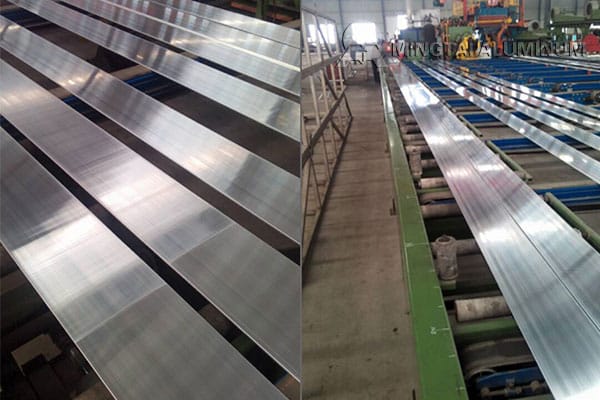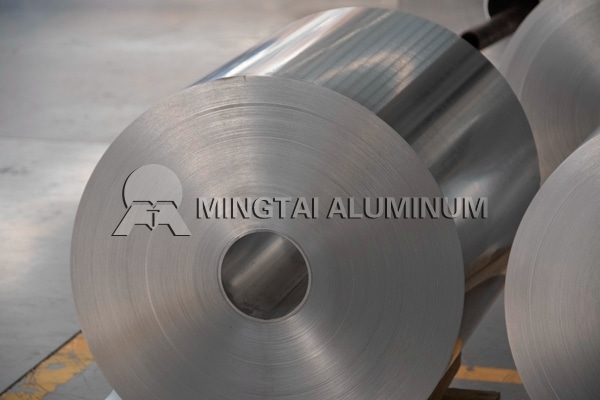
Picking the right 1060 aluminum sheet comes down to a real engineering call. Alloy 1060 offers high purity along with low density. It also gives good formability and solid corrosion resistance. These traits make the alloy a good match for industrial parts that skip the high strength found in heat-treatable grades. The final pick rests on surface finish, thickness, forming method, environment, and inspection needs. This guide shows how to line up those factors with a solid sheet spec.
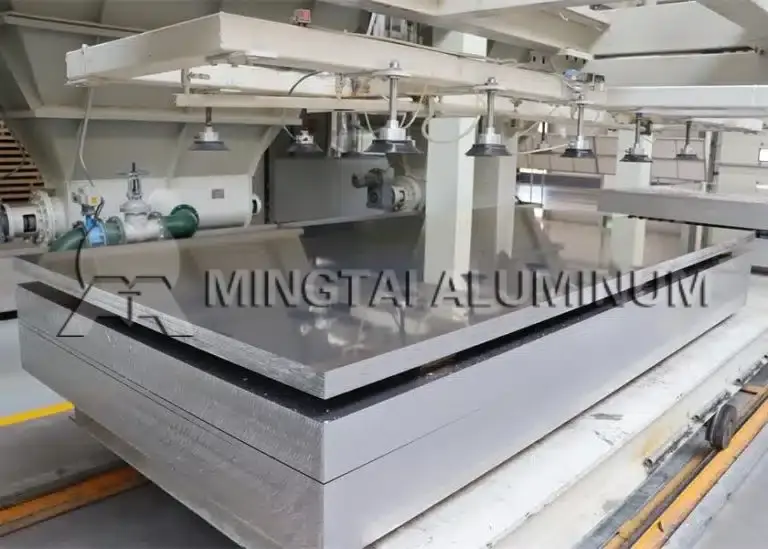
What makes 1060 aluminum sheet suitable for industry?
1060 aluminum contains at least 99.6 percent aluminum. That level brings strong electrical and thermal conductivity. Soft, ductile aluminum sheet is easy to bend, deep draw, spin, form, and fabricate without cracking. 1060 aluminum sheet forms a stable oxide surface film, which is corrosion-resistant against atmospheric corrosion. Soft aluminum sheet is used in heat transfer, electrical enclosures, chemical equipment, and architectural finishes, among other applications.
For a wider look at alloy grades and temper choices, check our aluminum alloy selection guide before you lock in your bill of materials. Sheet metal fabrication resources.
Which 1060 aluminum sheet finish should you select?
Surface finish shapes appearance, friction, cleanability, and later processing. Pick the finish that fits the service setting rather than looks alone.
When is a 1060 industrial aluminum anodized sheet the best option?
An anodized 1060 aluminum sheet carries a controlled oxide layer. This layer raises surface hardness, stain resistance, and color hold. It fits instrument panels, clean-room partitions, interior cladding, and equipment covers that see frequent wiping or light wear. Set the anodizing thickness, color range, sealing quality, and allowed contact marks.
Anodizing does not add high strength to 1060, so add formed ribs or a thicker gauge when stiffness matters most.
When should you choose a checker pattern?
A 1060 aluminum checker sheet uses raised treads that boost foot and cart grip. It sees common use on walkways, platforms, vehicle steps, ramps, and protective liners. Confirm the pattern type, such as one-bar or another local style, then check the base thickness under the tread. Pattern height shifts the true gauge and must enter fit-up math.
What is a 1060 mill finish aluminum checker sheet?
A 1060 mill finish aluminum checker sheet keeps the as-rolled surface with no extra coating. It gives a simple and low-cost answer for utility flooring, guards, and fabricated trays. Mill finish can show normal rolling differences, so agree on limits for gloss, flatness, and visible marks when panels stay in view. For coated or polished surfaces, add masking and handling steps to block scratches.
How do you match thickness, temper, and fabrication method?
Begin with loads, span, and forming radius. Thin sheet cuts weight and cost but can oil-can or vibrate. Thicker sheet adds stiffness and supports heavier finishing. In many formed parts, a soft temper works best for bending, while a bit harder temper can aid handling and flatness. Ask for the temper code, thickness tolerance, flatness tolerance, and smallest inside bend radius in the purchase spec.
If welding, riveting, or adhesive bonding is planned, test the full joint stack. Clean the surface, control heat input, and allow for distortion because 1060 moves heat fast. For more fabrication tips, review our
Where are 1060 aluminum sheets commonly used?
Common 1060 aluminum sheet applications cover bus bars and electrical cabinets, heat exchangers and evaporator plates, chemical tanks and ducting, signage, interior panels, roofing details, and general covers. The alloy performs best when conductivity, corrosion resistance, and formability count more than tensile strength. For structural frames, heavy brackets, or wear surfaces, compare stronger options before you settle on 1060.
How can you qualify a 1060 aluminum sheet supplier?
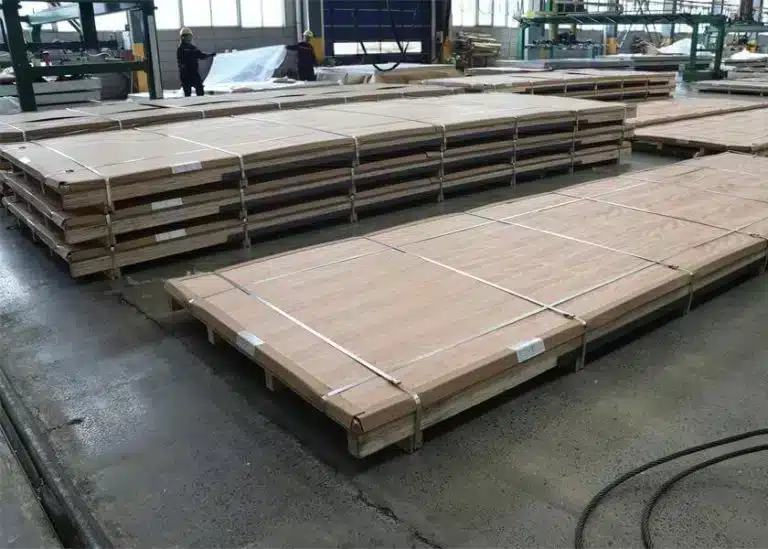
A capable 1060 aluminum sheet supplier must deliver steady chemistry, temper control, dimensional checks, and traceability. Request a mill test certificate that lists alloy and temper, lot number, mechanical results where needed, and surface or anodizing records. Confirm packaging for long hauls, moisture protection, edge guards, and clear labels. Sampling should cover thickness, width, length, flatness, tread shape for checker sheet, and surface condition.
You can also review our quality and inspection process to align incoming checks with your production risk. MINGTAI ALUMINUM supports custom widths, finishes, and packaging plans, with technical help from inquiry through shipment.
What should your final purchase specification include?
Write the requirement so nothing stays vague. List alloy 1060, temper, nominal and minimum thickness, width and length, finish, pattern type if needed, edge condition, flatness, quantity, inspection standard, certificate needs, and packing method. Add a drawing for perforations, slots, or formed shapes. If the sheet will be anodized after fabrication, note the needed cosmetic class and test panel approval steps.
Treat handling and service life as part of the choice. Store sheets upright or on full-support skids in a dry, aired space, and place protective paper between bundles when looks matter. During fabrication, use clean tools kept only for aluminum to stop iron particles from embedding. A mill finish 1060 aluminum sheet can take paint, lamination, or anodizing later, yet the surface needs degreasing and light prep per the coating maker’s steps. Record the lot number on cut kits to keep traceability when several thicknesses or finishes go into one project.
FAQ
Q: What are the key 1060 aluminum sheet properties?
A: High aluminum purity delivers strong conductivity, corrosion resistance, weldability, and formability. Strength stays moderate, so set thickness and reinforcement with care.
Q: Is anodized 1060 aluminum sheet suitable outdoors?
A: Yes, when the anodizing system, sealing, and drainage match the exposure level. Check color hold and coating thickness with a qualified supplier.
Q: How is a 1060 aluminum checker sheet specified?
A: State base thickness, tread pattern, tread height, temper, dimensions, flatness, and surface needs. The base gauge, not just overall tread height, sets structural fit.
Q: Where can I find a reliable 1060 aluminum sheet supplier?
A: Compare documented chemistry control, traceability, inspection data, packaging, and technical support. MINGTAI ALUMINUM can review drawings and suggest a practical finish and temper.