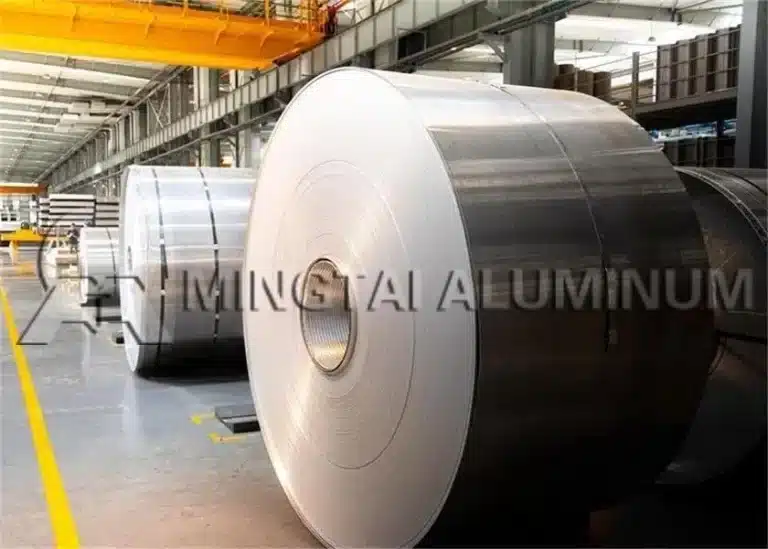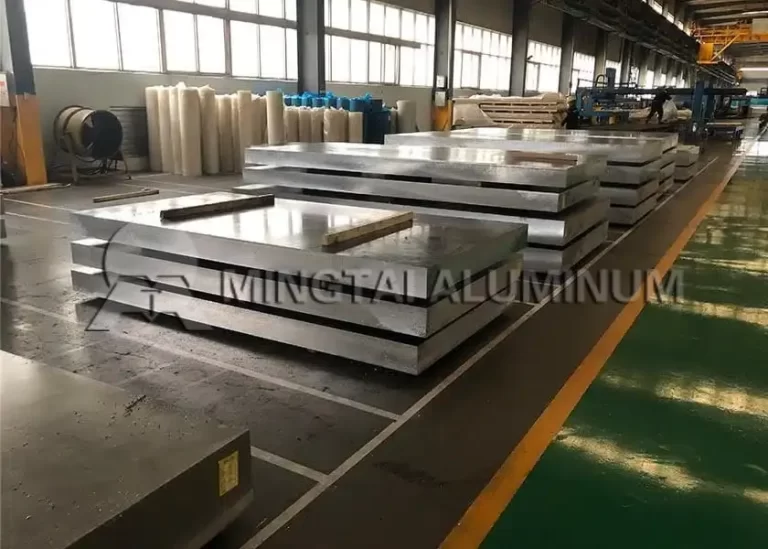
An aluminum coil can be converted into trim coil depending on a number of factors, such as the alloy, temper, thickness, width, coating, and fabrication method used. Price is usually the first factor that is taken into consideration by a buyer. The cost of a coil could end up being higher if it develops oil canning, cracks during use, and/or cracks during braking. In addition, the coil could fade too early, or arrive at the work site in the wrong width. This article outlines the items that need to be specified for aluminum trim coil, for use on siding, fascia, windows, and gutters. It also explains how to compare quotes fairly.

What Should You Specify Before Buying Aluminum Trim Coil?
Start with the actual use and forming method. Then list the material details. A full inquiry should cover alloy, temper, nominal thickness with tolerance, width, coil weight or length, core ID, surface finish, color, coating system, film needs, edge condition, and packing. For more mill choices, check available aluminum coil stock first. Then narrow the specs for exterior trim.
How Do Aluminum Trim Coil Sizes Affect Fabrication?
Retail rolls often measure about 24 in. wide and run 50 or 100 ft long. Mill stock can be slit to exact widths and sold by coil weight. Match the width to the full blank size, including bends, hems, laps, and trim allowance. A narrow roll forces extra joints. An extra-wide roll adds waste. Check coil ID, OD, max handling weight, and whether the slit edge needs deburring for brake work.
Why Are Aluminum Trim Coil Thickness and Gauge Not Interchangeable?
Aluminum trim coil thickness is stated in inches or millimeters. Gauge numbers can vary by system and sometimes reflect only trade names. Write the real thickness and allowed tolerance on the order. Light trim often starts near 0.019 in. (0.48 mm). At 0.024 in. (0.61 mm), the sheet gains stiffness. At 0.032 in. (0.81 mm), it handles tougher profiles. These figures serve as starting points, not fixed rules.
Which Is the Best Aluminum Alloy for Trim Coil?
The right alloy balances formability, strength, corrosion resistance, coating performance, and supply. The 3xxx series works well because manganese gives solid corrosion resistance and moderate strength without heat treatment. For gutter projects, see aluminum coil for gutters.
3003 vs 3105 Aluminum Trim Coil: What Changes?
3003 aluminum trim coil bends easily and suits tight radii or deeper draws. 3105 aluminum trim coil is a stronger material that is typically used on painted siding, fascia, and other exterior components. Chemistry is only part of the story. Temper, thickness, bend radius, and paint system can play a larger role. Request sample coils and run bend tests on severe profiles.
How Should You Choose Temper?
Temper shows the strain-hardening state. Softer tempers form with less effort but can dent or wave. Harder tempers add rigidity yet need larger bend radii. H14, H24, and H28 are common examples. Actual stock depends on alloy, gauge, and coating line. Name the exact temper on the order. Then test bend direction, inside radius, hemming order, and springback on the real tooling.
What Thickness Aluminum Trim Coil Should I Use?
Pick the thinnest sheet that still meets wind load, span, impact, looks, and forming needs. Windows and short returns often work with lighter stock when supported. Fascia may need 0.024 in. or thicker stock on wide, open faces. Siding accessories need enough stiffness to stay flat yet remain easy to break. Gutters call for a full system review based on profile, hanger spacing, rainfall, snow, and local habits.
| Nominal thickness | Metric | Typical starting point | Buyer check |
| 0.019 in. | 0.48 mm | Light, supported trim | Dent and waviness risk |
| 0.024 in. | 0.61 mm | General exterior trim/fascia | Brake capacity and bend radius |
| 0.032 in. | 0.81 mm | Stiffer or demanding profiles | Weight, cost, and forming load |
How Do Finish and Coating Change Service Life?
Choose painted aluminum trim coil by coating system rather than color name. Ask for coating type, film thickness, gloss range, color tolerance, reverse-side treatment, adhesion, hardness, bend performance, and warranty terms. Polyester systems cost less for moderate exposure. Fluoropolymer systems give better color and chalk resistance in tough settings. Check whether coastal, industrial, or high-UV spots need special prep or coating.
For formed trim, ensure that the protective film is compatible with the coating, withstands the forming process, and can be removed on time. Does the painted surface have a grain direction? Flipping of items can create shade variations. Smooth, embossed, matte, and wood-grain finishes create different visual effects and hide minor marks and irregularities differently. Always approve a physical sample under the actual site light.
How Can You Compare Material Suppliers?
At MINGTAI ALUMINUM , we can review production range, slitting options, coil weight, and packing against your drawings and end use. You can also check the 3105 aluminum coil specification page when looking at this alloy.
Request a mill test certificate and agree on inspection rules before shipment. Compare all quotes on the basis of the same metal thickness, coating, width, coil weight, core, packaging, freight basis, and tolerance. Order a small test delivery when dealing with a new profile, new paint system, or new supplier. This reveals forming behavior, surface quality, color, and yield before the full run.
FAQ
Q: What Thickness Aluminum Trim Coil Should I Use?
A: Start with the shape and support conditions. Around 0.019 in. often works for light supported trim. 0.024 in. serves as a common general choice. 0.032 in. adds rigidity. Final selection must follow engineering needs, local codes, wind exposure, and brake limits.
Q: Is 3003 or 3105 Aluminum Trim Coil Better?
A: 3003 forms easily. 3105 often appears on painted architectural trim where extra strength helps. Test both in the needed temper and thickness. Check the actual bend radius and coating instead of picking by alloy number alone.
Q: What Aluminum Trim Coil Sizes Should I Order?
A: Order a width that covers the full blank plus hems, laps, bends, and trim allowance. Also list coil ID, max OD or weight, and slit-edge quality. Stock 24-in. rolls suit field work. Custom slit coils cut scrap on repeat runs.
Q: Can Painted Aluminum Trim Coil Be Used for Fascia and Windows?
A: Yes, if thickness, temper, paint system, color, and bend performance fit the exposure and shape. Confirm substrate fit, isolate dissimilar metals where needed, keep drainage clear, and follow the coating maker’s handling and installation rules.