Why Aluminum Alloy Sheets Are Essential for Railcar Floors and Steps
The Importance of Material Selection in Railcar Design
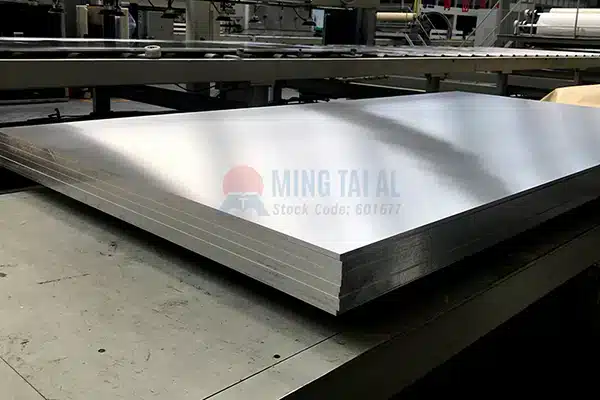
Railcar design needs materials that balance strength, corrosion resistance, and low weight. Aluminum alloy sheets for railcars meet these needs well. They offer durability while keeping a lightweight build that helps with energy efficiency. Picking the right aluminum alloy sheet metal helps meet railway safety standards, and improves long-term reliability. The right alloy choice affects passenger safety, fuel efficiency, and how railcar floors and steps perform over years.
Key Benefits of Using Aluminum Alloy Sheets in Railcars
Aluminum alloy sheets work well for railcar floors. They cut overall vehicle weight without losing strength. This lighter weight improves acceleration, braking, and energy use. Their natural corrosion resistance lowers maintenance needs even in damp or coastal areas. Alloys like 5052, 5083, and 6061 give a strong strength-to-weight ratio. They support a solid structure for floors and steps, which adds to safer boarding and longer service life.
What Factors Should Be Considered When Specifying Aluminum Alloy Sheets for Railcars?
Mechanical Properties and Load Requirements
When selecting aluminum sheet for a railcar floor, a structural engineer would typically consider the product’s tensile strength, yield strength, and fatigue life. For heavy-duty flooring applications, an engineer would choose an aluminum product with suitable mechanical properties, such as 6061-T6 alloy. 6063 alloy aluminum sheet is an Al-Mg-Si series high-plasticity alloy produced by MINGTAI ALUMINUM and is one of the best-selling products in the market. 6063 aluminum sheet has good workability, weldability, extrusion, and electroplating performance, and high corrosion resistance. It is used for making structural parts requiring both rigidity and toughness.
Corrosion Resistance and Surface Protection
Corrosion resistance is important for the durability of a product over time. Alloys with a natural oxide layer are resistant to corrosion such as rust, and also to chemical damage from cleaners and pollutants. Surface treatments such as anodizing or powder coating provide additional protection by sealing the surface of the metal to prevent moisture from entering and causing damage. Finishing of the surface of a product prevents pitting corrosion on flat floor plates that are exposed to water or to de-icing chemicals.
Weight Efficiency and Structural Design Balance
Weight reduction matters in modern rail design. Lightweight aluminum alloys lower traction energy use while holding structural stability under heavy loads. Engineers must match sheet thickness to mechanical needs. They choose thinner sheets where possible without losing durability. Good weight efficiency also supports shorter braking distances and better acceleration across train setups.
How to Select the Right Diamond Tread Aluminum Sheet for Railcar Applications
Functional Advantages of Diamond Tread Patterns
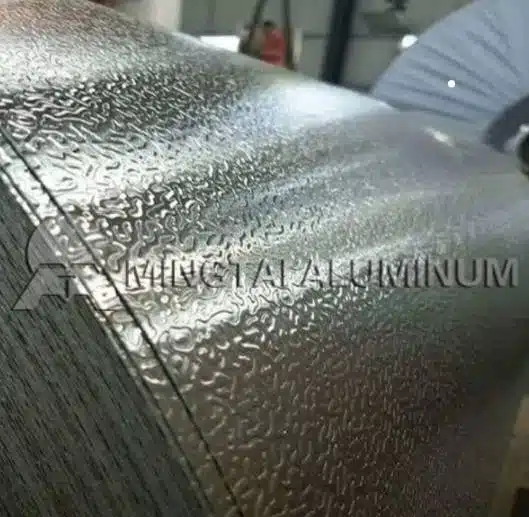
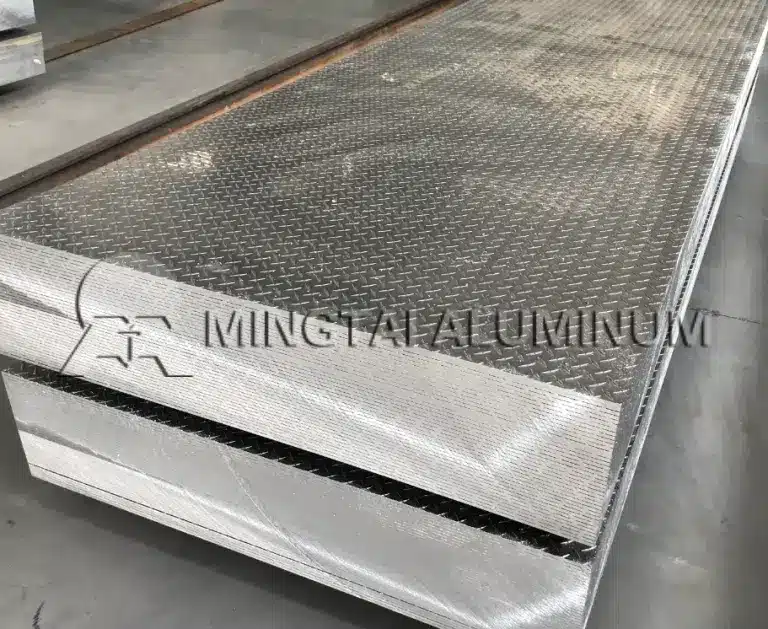
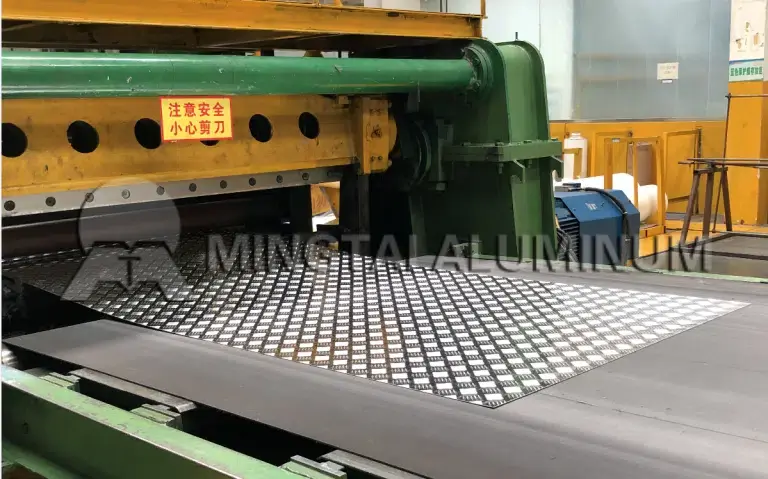
Diamond tread aluminum sheet surfaces have raised diamond patterns. These patterns boost slip resistance on railcar floors and steps. The texture gives better grip on wet or oily surfaces near entryways or maintenance platforms. The patterns also add a clean industrial look while supporting safety rules.
Common Alloys Used in Diamond Tread Aluminum Sheet Production
5052 Alloy Characteristics
5052 alloy pairs strong corrosion resistance with good formability. This makes it fit for marine or outdoor exposure common in railway settings. Available tempers include O, F, H12, H14, H16, H18, H19, H22, H24, H26, H28, H32, H34, H36, H38, H111, H112, and H114. Available thicknesses range from 0.8 to 8 mm, widths from 500 to 2,100 mm, and lengths from 500 to 16,000 mm. Typical applications include automotive pedals.
6061 Alloy Characteristics
6061 aluminum floor is very stiff and strong enough to use as heavy-duty flooring. MINGTAI ALUMINUM provides 6061 products including 6061-T6 aluminum sheet, pre-stretched 6061-T651 aluminum alloy sheet, 6061 ultra-wide plate, and 6061 aluminum checkered plate. Our aluminum floor panels are custom designed and made exactly to fit each client’s floor plan to provide the best performance over time. We have big stock quantities of aluminum panels available.
5083 Alloy Characteristics
5083 alloy holds high magnesium content. This improves weldability when joining large railcar panels. Its strong stress performance fits rolling stock that faces ongoing vibration or load changes.
How to Determine the Optimal Thickness and Size of Railcar Floor Aluminum Sheets
Factors Influencing Thickness Selection
Thickness choice depends on expected traffic in each train area. Heavier load zones like entrances may need thicker plates to avoid deformation. Step plates can use thinner gauges with support from substructures below. Meeting railway manufacturing standards keeps uniformity across batches.
Dimensional Standards for Railcar Floor Plates
Typical Sheet Dimensions Used in Railcars
Standard widths often run between 1000 mm and 1500 mm based on compartment layout needs. Alloy 5251 is available in tempers O, H12, H14, H16, H18, H22, H24, H26, H28, H32, H34, H111, H112, and H114. Thicknesses range from 0.8 to 8 mm, widths from 500 to 2,100 mm, and lengths from 500 to 16,000 mm. Applications include structural components for rail transit, transportation, and aerospace. Lengths are set to match modular floor sections or compartment sizes.
Tolerance Requirements in Manufacturing Precision Sheets
Tight dimensional tolerances help ensure accurate fit during assembly, such as welding or riveting. Steady tolerances cut material waste and keep panels aligned in the car body structure.
What Are the Recommended Surface Treatments for Aluminum Sheets Used in Train Steps?
Anti-Slip Coatings and Finishes
Non-slip coatings matter on train steps where passenger safety comes first. Powder coating adds color match and raises wear resistance against foot traffic over time.
Anodizing Processes for Enhanced Durability
Benefits of Anodized Finishes
Anodizing raises surface hardness. It protects against scratches from footwear or tools and improves corrosion protection without much added weight.
Suitable Anodizing Colors for Rail Applications
Common anodizing colors include natural silver or matte tones. These keep a clean industrial look for public transport interiors. Darker finishes cut glare under strong station lights and hold visual match across car types.
Why MINGTAI ALUMINUM Is a Reliable Source for Railcar Floor Plate Specifications
Expertise in Producing High-Performance Aluminum Alloy Sheets for Railcars
At MINGTAI ALUMINUM, we focus on high-performance aluminum alloy sheets made for railway engineering needs. Advanced rolling technology delivers steady quality across large-format sheets for structural uses.
Customization Options Available from MINGTAI ALUMINUM
Tailored Alloy Compositions
We let clients set custom alloy grades based on needed mechanical properties or exposure levels for their projects.
Precision Cutting and Surface Processing Services
Our CNC cutting systems deliver exact sizes needed for modern modular train designs. This approach cuts material waste during production.
Quality Assurance Procedures
Each production batch goes through full inspection before shipment. This ensures compliance with international railway standards and reliable performance from build through install.
FAQ
Q: What are the key advantages of using aluminum alloy sheets for railcars?
A: Aluminum alloy sheets give lightweight strength, strong corrosion resistance, and long service life. These traits fit railcar floor systems that need lasting reliability.
Q: How does a diamond tread aluminum sheet improve safety on railcars?
A: The raised diamond pattern increases traction underfoot. It lowers slip risks on wet surfaces near train doors or maintenance zones.
Q: Which alloy type is most suitable as a railcar floor aluminum sheet?
A: Alloys like 5052, 5083, and 6061 combine strength, weldability, and anti-corrosion performance. They work well as aluminum sheet for railcar floors under tough conditions.
Q: What thickness should be chosen when specifying aluminum sheet for train steps?
A: Thickness often ranges from 2 mm to 5 mm based on passenger volume. Heavier use areas may need extra support under thinner plates.
Q: Can MINGTAI ALUMINUM supply custom aluminum tread plate for railway rolling stock?
A: Yes, we supply customized diamond tread aluminum sheet and aluminum alloy sheets for railway rolling stock built according to client drawings and international standards for railway rolling stock construction.