What Is 5052 Aluminum and Why It Matters in Modern Manufacturing
Composition and Alloy Classification of 5052 Aluminum
The 5052 aluminum sheet is part of the AL-Mg group. Magnesium acts as the primary alloying addition. This material is a very popular rust-proof choice. It is a member of the 5xxx series. That specific series is known for great rust protection. It also provides medium to high 5052 aluminum strength. You will not find any copper in this blend. The lack of copper allows the metal to resist oxidation. It also stops chemical damage. The material handles fatigue well. It also bends easily without breaking. You cannot use heat treatment to make it stronger. Instead, you must rely on cold working methods. Rolling and strain hardening are the standard ways to increase its toughness.
Key Characteristics That Define 5052 Aluminum
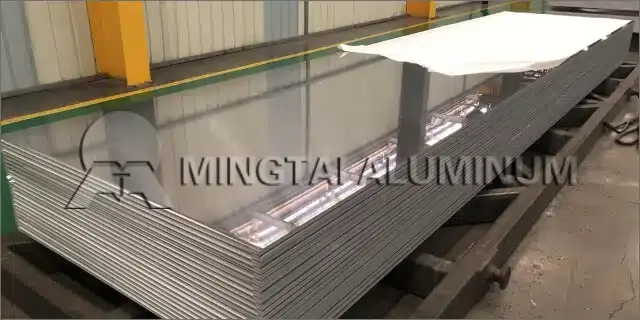
The 5052 aluminum alloy delivers impressive toughness. However, it remains a non-heat-treatable grade. It fights off rust very effectively. This is especially true in salty ocean air. You can shape it with ease. Because of these features, it works perfectly for parts exposed to seawater. It is also ideal for industrial plants. The strength level is moderate to high compared to other non-heat-treatable metals. This creates a helpful balance. You get reliable performance alongside simple forming. Welding is another strong point. Welded joints stay secure. They do not weaken the surrounding structure.
Typical Applications Across Industries
A 5052 aluminum plate is perfect for components carrying light loads. These items require excellent flexibility. They also need to be easy to weld. You will often find these parts operating in liquid or gas environments. Standard uses include metal mailboxes and fuel lines. Oil pipes and small deep-drawn containers are also popular applications. Manufacturers even make rivets from this metal using wire forms. It is widely chosen for sheet metal parts. Vehicles, boats, and measuring tools use it heavily. Lamp brackets, hardware pieces, and electrical boxes feature it as well. Corrosion protection is highly important for many projects. In those cases, builders choose this metal for marine frames. They also use it for pressure tanks and building panels. Car pedals and electronic enclosures depend on it too.
What Are the Mechanical Properties of 5052 Aluminum Sheet?
Tensile Strength and Yield Strength Parameters
The ultimate tensile strength of a 5052 aluminum sheet generally ranges from 210 to 260 MPa. The precise number changes based on the specific temper. Common tempers include H32 and H34. The yield strength typically falls between 130 and 200 MPa. This specific range makes the metal simple to shape. At the same time, it can support standard physical loads. Cold working will increase the overall hardness. However, this process reduces the material's ability to stretch. Product designers need to balance stiffness against flexibility.
Fatigue Resistance and Hardness Performance
This particular alloy provides great fatigue resistance. It also features high plasticity. You cannot use heat treatment to boost its toughness. The metal handles repeated stress very well. This keeps manufactured parts working for a long time. Car pedals gain a lot from this trait. Aircraft fuel lines also rely on this durability. Different tempers like H32 or H38 result in unique hardness levels. These options help meet different engineering requirements.
Thermal Conductivity and Electrical Properties
The thermal conductivity of 5052 aluminum is quite useful. It pulls heat away from sensitive electronics. It also cools down lighting fixtures. Its electrical conductivity is lower than pure metals. For example, it does not match the 1100 series. However, it still works for many structural projects. It is ideal when you need a mix of physical strength and basic electrical flow.
How Does the Corrosion Resistance of 5052 Aluminum Compare?
Resistance to Marine and Chemical Environments
A 5052 alloy plate demonstrates excellent flexibility. It also provides outstanding rust defense. The metal survives harsh marine environments without trouble. Boat builders frequently use it for cable trays. Hull fittings are another common application. The metal also resists mild industrial chemicals. It can handle exposure to ammonia. It survives contact with weak alkalis. Many other metal grades would break down much faster in these situations.
Surface Treatment Options for Enhanced Protection
Anodizing Treatment Benefits
The anodizing process increases the hardness of the surface. It also creates a very clean visual appearance. This process builds a new oxide layer. That layer improves rust defense in difficult environments. It does this without altering the core mechanical properties.
Protective Coatings and Paint Systems
Applying organic coatings creates an extra layer of defense. These paints increase the lifespan of the metal. They are highly useful near the coast. They also work well inside chemical plants. The coatings function by stopping the oxidation process.
Is 5052 Aluminum Bendable? Evaluating Its Formability Characteristics
Factors Influencing Bendability in 5052 Aluminum Sheet
The ability to bend relies heavily on the chosen temper. The H32 temper manages tight curves much better than H34 or H38. The direction of the metal grain is also important. It affects the chances of surface cracking along the bend line. You should usually bend the metal across the grain. This technique distributes the physical strain evenly. It greatly reduces manufacturing issues.
Recommended Bending Techniques for Optimal Results
Proper Tooling Selection for Precision Bends
Using the correct radius dies will reduce surface stress. The edges of your forming tools must be smooth. Smooth edges prevent tiny cracks from forming on the outside of the curve.
Temperature Considerations During Forming Operations
A slight increase in temperature will improve the metal's flexibility. This warming step is very helpful. It makes shaping thicker sheets into complicated designs much easier. It achieves this without causing any damage to the structural integrity.
How Strong Is 5052 Aluminum Compared With Other Alloys?
Comparative Analysis with 6061 and Other Series Alloys
The 5052 grade cannot match the extreme toughness of heat-treatable metals. For instance, 6061 is much stronger. Those specific grades achieve higher tensile numbers through a process called precipitation hardening. However, 5052 provides superior rust protection. It is also much easier to shape. This happens because it remains a non-heat-treatable material. When you compare it to a 5083 plate, 5052 has lower overall strength. Despite this, it offers a solid 210 to 260 MPa tensile range. It also features an excellent fatigue lifespan. This combination is perfect for projects where general durability is more important than supporting maximum weights.
Structural Applications Where Strength Is Critical
Aerospace and Automotive Uses
Car pedals frequently utilize 5052 plates. Manufacturers choose them for their well-balanced features. Airplane interior components also depend on this metal. Vehicle body panels use it as well. It serves as a lightweight and dependable choice. It is ideal for situations where extreme tensile limits are unnecessary.
Construction Components
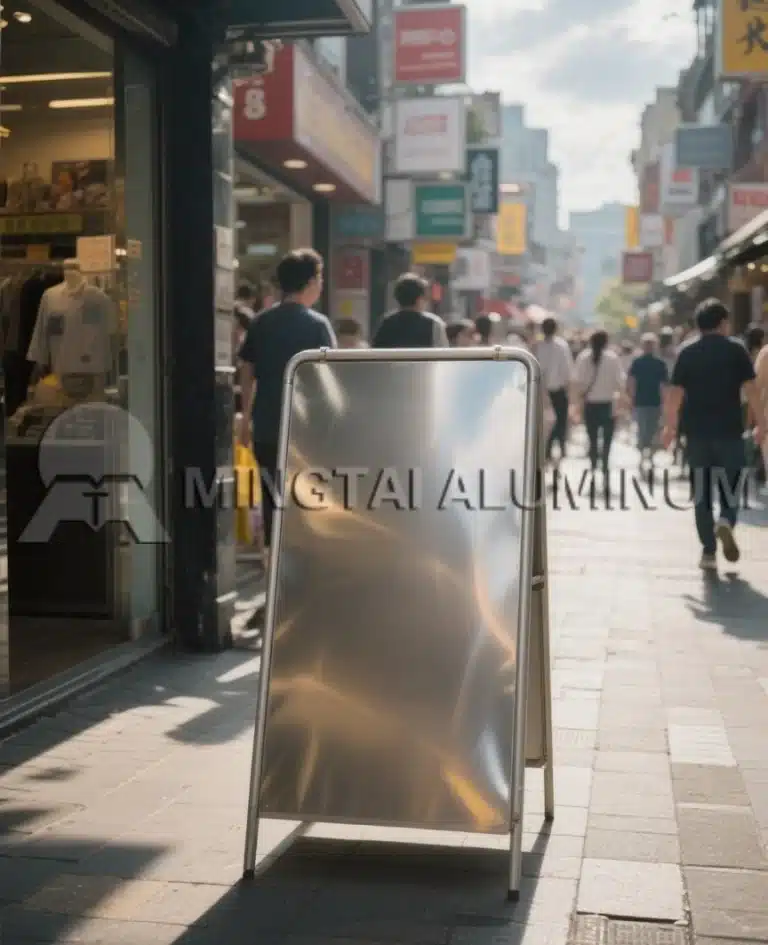
Building roofs and exterior facades regularly incorporate this alloy. Curtain walls and transport trolleys use it too. You will also see it in door handles and outdoor signs. These specific items experience moderate physical stress. They also sit outside in the weather. Because of this, long-lasting rust defense is absolutely necessary.
How Does MINGTAI ALUMINUM Produce High-Quality 5052 Aluminum Sheets?
Advanced Rolling Processes Ensuring Uniform Thickness
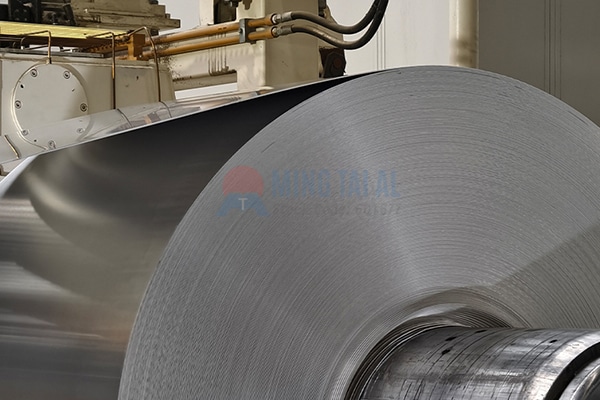
At MINGTAI ALUMINUM, highly accurate rolling machines maintain strict thickness controls. We achieve this even on very wide metal coils. The 5052 plate from this manufacturer can reach a width of 2650 mm. It can also be up to 600 mm thick. Very few producers in China have the ability to deliver these massive dimensions. This advanced process guarantees a consistent thickness. It is perfect for exterior cladding projects. It also works beautifully for pressure vessel construction.
Quality Control Measures During Manufacturing
Chemical Composition Testing
Testing laboratories measure the exact magnesium content using advanced spectrometers. They do this before the rolling process starts. This crucial step ensures the physical performance remains perfectly consistent. Every single production batch behaves the same way.
Mechanical Property Verification
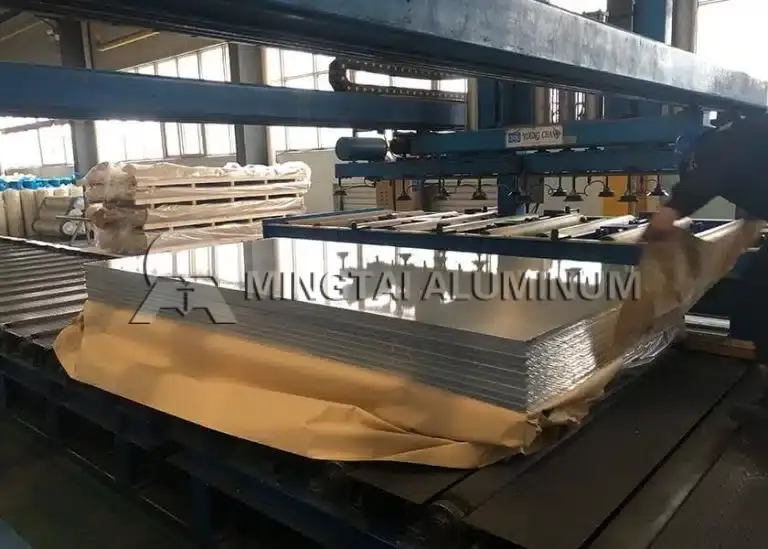
The physical tensile testing strictly follows the ASTM B209 standards. Workers also perform careful visual inspections. They ensure the metal surfaces have no peeling areas. They also check for unwanted bubbles. Only the materials that pass every test will be shipped to global customers.
FAQ
Q: What is 5052 aluminum used for?
A: A 5052 aluminum plate is suitable for light-duty components. These parts require excellent flexibility. They also need to be weldable. The metal performs well in liquid or gas environments. Boat structures and fuel tanks rely on it heavily. Pressure vessels and general sheet metal projects use it too. Automobile panels and electronic cases benefit from its unique properties. It offers a great combination of rust defense and simple shaping.
Q: How strong is 5052 aluminum compared with other grades?
A: The overall tensile limit ranges from 210 to 260 MPa. The exact number relies on the specific temper. It is much stronger than pure aluminum varieties. However, it is not as strong as heat-treatable options like 6061. The metal provides a great mix of bending ability and long-term durability. This balance makes it highly useful for standard engineering jobs.
Q: Is 5052 aluminum bendable?
A: Yes, it is very bendable. The shaping ability is excellent. This is particularly true for the H32 temper. You can create tight curves successfully. The surface will not crack if you align your tools with the natural grain direction.
Q: What are the key properties of 5052 aluminum sheet?
A: This metal provides outstanding rust protection in ocean environments. It delivers reliable welding and shaping traits. It stands out among non-heat-treatable metals. You get moderate to high physical toughness. The fatigue lifespan is exceptional. It also features a very smooth exterior. This surface takes anodizing treatments easily. Anodizing improves both the visual appeal and the total lifespan.
Q: Who manufactures reliable 5052 aluminum sheets?
A: MINGTAI ALUMINUM produces top-tier 5052 aluminum sheets. We utilize modern rolling technology. We also enforce rigorous quality inspections. These steps guarantee a stable chemical makeup and ensure an even thickness across the entire product. Buyers around the world receive materials that meet all mechanical standards perfectly.