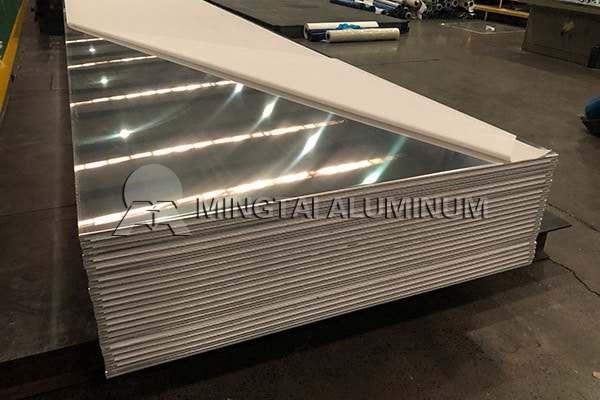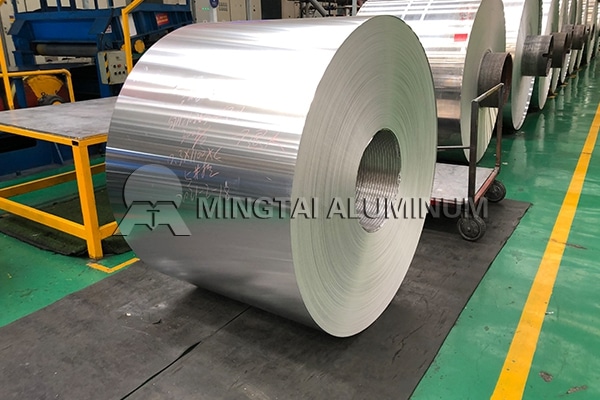
Aluminum is a popular choice for building and construction work. It offers great bendability, strong resistance to rust, low weight, and long-lasting strength. These features make it perfect for today's designs. They combine function with good looks and eco-friendly aspects.
Aluminum sheets for these uses come in different alloy groups. These are numbered from 1xxx to 7xxx. Each group has a main added element. This changes its strength and fit for different jobs. All groups have uses in various fields. But the 3000 and 5000 groups stand out in building projects. They provide a good mix of strength, rust resistance, and ease of shaping.
To select the best aluminum sheet for buildings, look at key features. These include ease of shaping, rust resistance, response to heat treatment, electrical flow, strength, and bendability. Knowing how these vary by group helps designers and builders choose wisely. This ensures good structure and nice appearance.
Overview of Aluminum Alloy Groups
- 1000 Series Main Element: Pure Aluminum (≥99%) This group has outstanding rust resistance and high electrical flow. But it has low strength. Purity can go over 99.00%. It is common in general industries. Often used for food equipment, light reflectors, and outdoor signs. It has a soft feel and shapes easily.
- 2000 Series Main Element: Copper It gains high strength from heat treatment. But rust resistance is not great. 2024 aluminum sheet is common in aircraft parts, rivets, missiles, truck wheels, propellers, and other structures. Best for aerospace, car parts, and strong fittings where strength matters most.
- 3000 Series Main Element: Manganese It has good shaping, welding, and fair strength. 3003 aluminum sheet has a smooth, somewhat shiny surface. It is used in many areas like fuel tanks, chemical handling, trailer sides, and roofing. Common in building items, kitchen tools, roof sheets, and heat exchangers.
- 4000 Series Main Element: Silicon It has a lower melting point and better wear resistance. Mostly used for welding wire and car engine parts.
- 5000 Series Main Element: Magnesium Called marine-grade due to top rust resistance and strength. 5052 aluminum sheet is used in tanks, boat hardware, hulls, and more. It lightens equipment and helps with green goals and energy savings. Often seen in sea structures, chemical ships, storage tanks, and building parts in tough settings.
- 6000 Series Main Elements: Magnesium and Silicon It provides a good balance of strength, rust resistance, and welding. 6061 aluminum sheet works well for frames, base plates, gussets, bike and car parts, and more. Very useful in transport gear and building extrusions.
- 7000 Series Main Element: Zinc It has the top strength of all groups. But shaping is harder and rust resistance is lower. Used in aircraft frames, high-load parts like bridges, and sports gear needing peak performance.
Building Uses: Spotlight on 3000 and 5000 Groups
For building tasks like wall covering and outer panels, choices often focus on 3000 and 5000 alloys. They offer strong performance and flexible looks.
Both groups work well in solid aluminum sheets or plates for curtain walls and wall covering. But they meet different needs:
- 3000 Series: Often picked for regular building jobs. It has better ease of working and shaping. Its fair strength works for most wall setups. It is easy to make and cheaper.
- 5000 Series: Chosen for tough spots needing extra protection from salt water or factory pollutants. This includes coastal areas or sea uses. It has higher rust resistance and pull strength. But it is harder to work with and expands more with heat.
Advantages of 3000 Series for Architecture
When picking aluminum sheet for buildings from the 3000 group, these benefits stand out:
- Strong build that holds up under wind pressure
- Better span ability for big wall panels
- Great ease of working for detailed designs or holes
- Lower heat expansion helps keep shape steady with temperature changes
These make the 3000 group a strong pick for building covers. They blend nice looks with real-world needs.
Product Suggestions and Next Steps
MINGTAI ALUMINUM supplies top-quality solid aluminum sheets made for building needs. They come in 3000 and 5000 group alloys. This includes common types like 3003-H14 or 5052-H32 aluminum sheet. Our items meet tough modern building standards.
Designers and project teams can get our top spec: solid aluminum sheets in 3mm thickness. This is great for wall panels or decorative covers.
We also offer free alloy advice. This helps pick the best type for your project's setting, load needs, or making steps. Free samples are ready on request. They help with test setups or early models.
For custom advice or help picking the best aluminum sheet for your building work, reach out to the MINGTAI ALUMINUM team. Our specialists are here to help from start to finish.
FAQ
Q: What is the top aluminum sheet for buildings in normal projects?
A: The 3000 group (like 3003) is often suggested for usual building tasks. It has better ease of working, shaping, and lower heat expansion. This makes it perfect for wall covering and inside/outside panels.
Q: When should I pick 5000 group aluminum sheet for buildings?
A: Choose the 5000 group (like 5052) in coastal or rough areas. There, better rust resistance and higher strength are key. This fits sea-exposed walls or buildings near factories.
Q: What thickness is common for aluminum sheet in building walls?
A: A 3mm solid aluminum sheet is one of the most used and useful thicknesses for building wall panels. It gives a nice mix of stiffness, span ability, and ease of making.
Q: How do I choose the best aluminum sheet for buildings based on my project?
A: Think about main factors like setting exposure (rust needs), needed strength, ease of working for special designs, and heat expansion. Talking with a supplier for alloy suggestions and free samples is a smart move to get the right match.