What Factors Influence the Selection of Aluminum Sheet Gauge for a Project?
How Does Aluminum Sheet Gauge Affect Structural Performance?
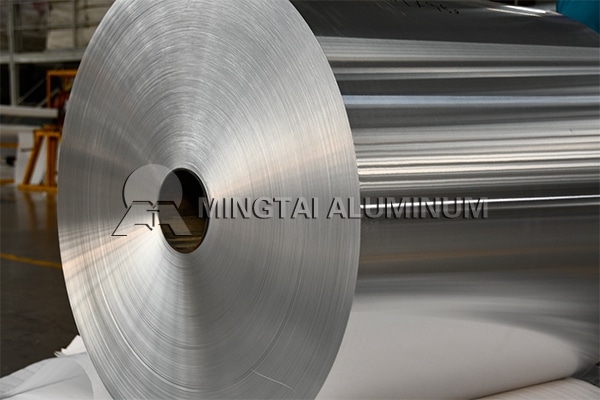
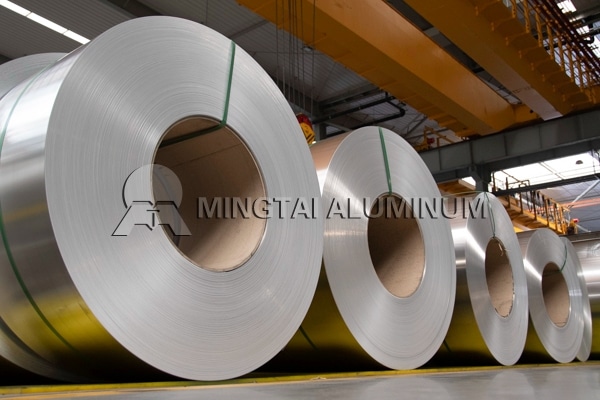
The selection of aluminum sheet gauge is crucial to the mechanical performance and structural integrity of a project. Thicker gauges are stronger and more rigid and therefore are best suited for load bearing or structural use such as panels, decks, and frameworks. Thinner gauges are better suited for lightweight or decorative use where flexibility and the ability to form are key. The thickness of the aluminum sheet shapes the bending resistance, vibration, and fatigue life of the final product. 1350 Aluminum Sheet Coils are a popular choice of aluminum products due to their strong properties and versatility of use. This alloy offers solid conductivity and corrosion resistance. It performs well even in thinner forms when electrical needs come first over mechanical strength.
What Role Does Project Type Play in Choosing Aluminum Sheet Gauge?
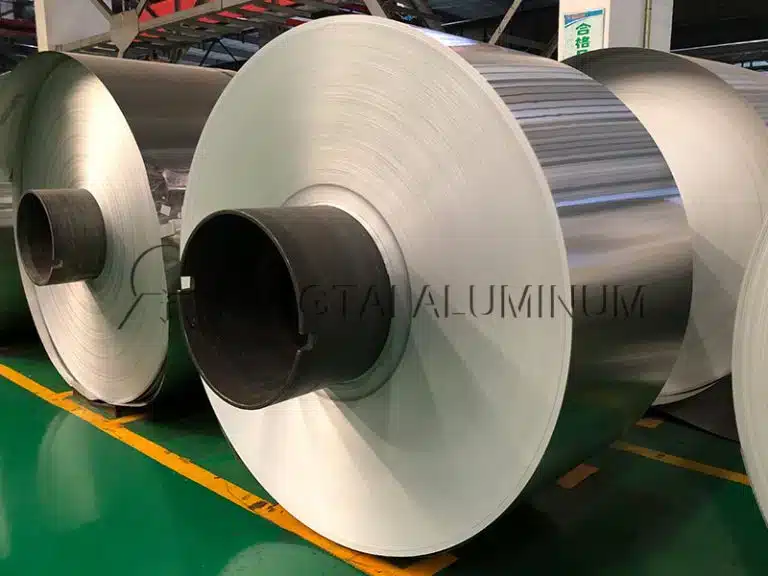
Each industry brings its own needs to aluminum sheet metal gauge choice. Architectural work may call for medium to thick gauges in curtain walls or roofing that face environmental loads. Automotive teams often mix gauges in one vehicle. Thicker sheets go into crash zones. Thinner ones suit interior panels. This mix helps balance weight. Aerospace makers pick thin yet strong gauges to cut total mass while keeping durability. 5251 aluminum sheet appears in structural parts for rail transit, transportation, and aerospace aluminum products. Gauge choice matches sector rules that stress strength-to-weight balance, corrosion resistance, and formability.
How Do Environmental Conditions Impact Aluminum Sheet Gauge Choice?
Environmental exposure shapes decisions on material thickness. Coastal or chemical sites need thicker gauges or protective measures.
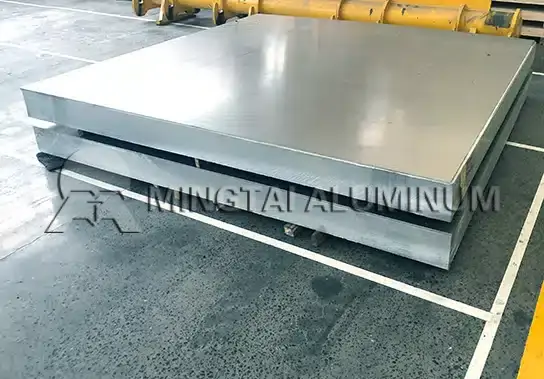
Finishes to fight corrosion. Aluminum sheet shows good corrosion resistance and holds up against oxidation. In outdoor structures that face temperature shifts or humidity, thicker sheets with anodizing treatments last longer. Proper coating systems work with gauge choice to stop pitting and keep surface quality over time.
How to Determine the Appropriate Aluminum Sheet Gauge Thickness?
What Are the Standard Measurement Systems for Aluminum Sheet Gauge?
The metal thickness gauge system works in reverse. Higher numbers mean thinner sheets. Engineers often check an aluminum sheet gauge chart to link numbers with real sizes in inches or millimeters. These tools help when comparing regional standards of aluminium sheet metal thickness. Standard aluminum sheet thicknesses run from 0.1 mm up to several hundred millimeters based on needs.
How Can Engineers Calculate the Required Aluminum Sheet Gauge?
Finding the right aluminum gages means looking at applied loads, expected stresses, and safety factors. Finite element modeling lets teams simulate deformation under real conditions. This step predicts performance before any fabrication. The process confirms that the chosen material thickness gives enough rigidity without extra weight. At our facilities, we combine computational methods with testing. Each gauge meets design goals across many industries.
Why Is Weight-to-Strength Ratio Critical in Aluminum Sheet Gauge Selection?
Balancing weight against structural capacity matters for cost and efficiency. A good weight-to-strength ratio cuts total mass while keeping mechanical reliability. Lightweight gauges can match heavier options when design geometry or reinforcements help. MINGTAI ALUMINUM supplies detailed technical data. Engineers use it to improve this ratio across product lines such as 5083 alloy. That alloy serves in LNG storage tanks, gas cylinders, ships, and tank trucks where both strength and corrosion protection count.
How Does the Manufacturing Process Affect Aluminum Sheet Gauge Quality?
What Production Techniques Influence Aluminum Sheet Gauge Consistency?
Gauge consistency relies on rolling precision and heat treatment control. Changes in rolling pressure can create uneven thickness across the sheet if not handled well. MINGTAI ALUMINUM added a six-high cold rolling mill from SMS Germany. This equipment supports ultra-wide plates up to 2650 mm with tight tolerance and low internal stress. It delivers uniform results on large projects.
How Do Surface Finishes Interact with Different Aluminum Sheet Gauges?
Surface treatments such as anodizing or polishing can change effective metal thickness slightly. They still boost corrosion resistance at any base gauge size. Matching finishes keeps dimensions stable during bending or welding. 6061 Aluminum Sheet is heat-treatable. It resists stress cracking and welds or machines with ease. These traits suit precision parts that need both looks and strength.
What Are the Common Applications of Various Aluminum Sheet Gauges?
Which Industries Rely on Specific Aluminum Sheet Gauges?
Different sectors use ranges from the aluminium sheet gauge chart based on their priorities. Aerospace work uses thin high-strength materials like 5251 or 6061 alloys for better aerodynamics. In addition to 5251 and 6061, 5086 aluminum sheet offers high corrosion resistance and moderate-to-high strength, suitable for industrial panels, transport vehicles, and marine structures. Construction relies on medium to thick sheets, often 2 mm to 10 mm, for facades or roofs under wind loads. Automotive plants mix gauges by function. Outer panels stay thin for shaping. Chassis parts use thicker sections for impact absorption.
How Do Fabrication Methods Depend on Aluminum Sheet Gauge Selection?
Fabrication steps must match the material thickness. Thicker sheets need CNC machining or plasma cutting that handles heavy forces without distortion. Thinner materials allow manual forming but need care during welding to avoid warping. MINGTAI ALUMINUM supplies pre-fabricated options that fit these needs. Clients cut processing time and keep high accuracy across all aluminum sheet metal gauge choices.
Comparing Cost Efficiency When Choosing Aluminum Sheet Gauge Options
How Does Material Thickness Affect Overall Project Cost?
Material cost rises with aluminum thickness because heavier gauges use more raw input per area. Thicker sheets often lower long-term maintenance costs through better durability. Thinner options cut initial spending but may need extra reinforcement that raises assembly work later. Checking lifecycle cost instead of first price alone points to the best choice among standard aluminum sheet thicknesses.
What Cost-Saving Strategies Exist When Purchasing from MINGTAI ALUMINUM?
We help clients with several cost steps. Bulk buying programs lower per-unit prices across gauge sizes. Custom cutting services reduce waste in fabrication. Technical advice confirms the right specs before purchase. This avoids rework from wrong material picks.
FAQ
Q: What is an aluminum sheet gauge and how is it measured?
A: An aluminum sheet gauge is a standard measure of material thickness. Higher numbers point to thinner sheets on an aluminium sheet gauge chart. Micrometers confirm the value. Standard tables convert between inch and millimeter units for metal thickness gauge values.
Q: How do I choose the right aluminum sheet gauge for my project requirements?
A: The right pick for your aluminum sheet metal gauge depends on your application’s load requirements, environment, weight and fabrication methods.
Q: Why does aluminum sheet gauge matter in industrial design applications?
A: It controls strength-to-weight performance and durability under stress. The right material thickness supports joining methods such as welding or riveting in complex assemblies.
Q: Can I use different aluminum sheet gauges within one project?
A: Yes. Mixing aluminium sheet metal thicknesses is common when different stiffness levels are needed in separate zones such as panels and supports.
Q: Does MINGTAI ALUMINUM provide guidance on selecting appropriate aluminum sheet gauges?
A: We give expert advice supported by data sheets on many alloys. Pure grades like 1050 aluminum sheet contain more than 99.5% aluminum. Specialized tempers serve aerospace work. This helps every client match design needs with the best metal thickness options.