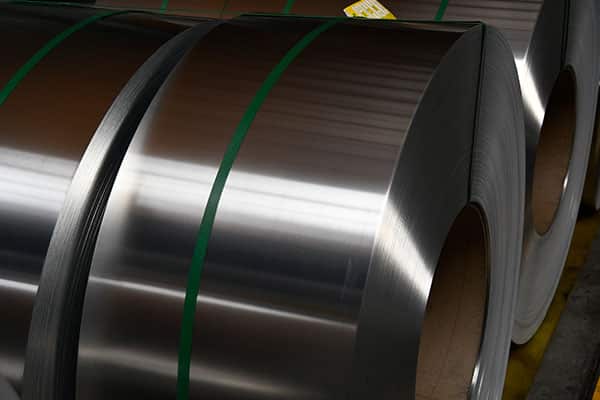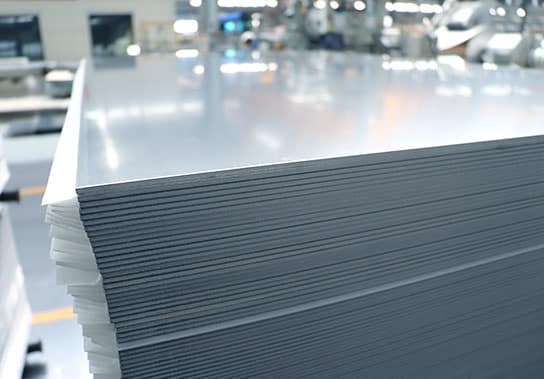
A 4×8 aluminum sheet is simply a flat panel of aluminum measuring 4 feet by 8 feet. Nothing mysterious here—it’s just a standard size that factories all over the world keep in stock because almost every industry uses it in one way or another. Construction crews like it for exterior panels, trailer makers use it for skins and covers, marine workshops rely on it for saltwater-facing parts, and DIY folks buy it because it’s easy to work with compared to steel. The material stays light, strong for its weight, and doesn’t rust, which already solves half the problems in outdoor or mobile applications.
Most 4×8 aluminum sheets come in alloys like 3003, 5052, and 6061. Each alloy has its own character: one bends easily, one resists saltwater like a champ, and another holds up well in structural jobs. In real projects—say a food-processing shop replacing old wall panels or a small trailer manufacturer upgrading roof sheets—these alloys appear so often that many buyers eventually remember the numbers by heart.
This guide walks through the practical uses of 4×8 aluminum sheets, the typical thickness options, real-world weight data, and some buying notes that help avoid mistakes people new to metal often make.
1. Common Uses of 4×8 Aluminum Sheets
1.1 Roofing & Siding Applications
In building projects, aluminum sheets show up wherever long-term exposure is expected. A roof panel made from 5052-H32, for example, holds up surprisingly well in coastal areas. Some contractors mention that it handles wind and salt spray better than thin galvanized steel, especially after a few cycles of rain and sun.
Soffits, fascia boards, wall cladding systems—these parts don’t demand heavy structural strength, but they do need stability and good color retention. A 4×8 aluminum sheet meets that requirement without adding excessive weight to the building frame.
1.2 DIY, Fabrication & Home Projects
Fabricators appreciate how easy aluminum is to handle. A clean carbide saw blade cuts through a 4×8 sheet like cutting a thick cardboard board—just sparks instead of dust. In small workshops, these sheets often end up as custom storage boxes, decorative wall pieces, tool cabinets, picture frames, or even lightweight hobby trailers.
3003 aluminum sheet shows up a lot here. The finish is smooth, almost semi-shiny, and bends without cracking. Many small trailer builders use 3003 for siding because it holds shape well and doesn’t respond poorly to vibration.
1.3 Automotive, Marine & Aerospace Uses
Weight savings matter so much in transportation that aluminum becomes the go-to material in many designs. A motorcycle bracket made from 6061 aluminum sheet often weighs half of what a steel one would, yet stays rigid enough under load. In marine applications, 5052-H32 parts survive years of saltwater contact without pitting too quickly—something plain carbon steel simply can’t do without heavy coatings.
Modern cars use alloys like 5182 and 6016 for door panels and inner structures. A typical mid-size car might save 20–30 kg by switching from steel to aluminum panels across multiple doors, which helps fuel efficiency more than people think.
2. Standard Thickness Guide for 4×8 Aluminum Sheets
2.1 Common Thickness / Gauge Options
A 4×8 aluminum sheet comes in many thicknesses, though the following ones show up most often in industrial orders:
16 gauge – 0.051 in
14 gauge – 0.064 in
12 gauge – 0.081 in
10 gauge – 0.102 in
These numbers aren’t random—they reflect how stiff or flexible the sheet will be. Shops usually keep a few gauges on hand because every project seems to need a different feel.
2.2 How Thickness Affects Performance
Thinner sheets (16–14 gauge) work well for decorative panels, signage, and parts that don’t carry weight. These sheets bend easily and help reduce total project weight—a plus for mobile equipment and small structures.
Medium thicknesses like 12 gauge hit a balance. Builders often use them for roof overlays, siding systems, and areas where the sheet must hold shape without adding too much weight.
10-gauge sheets are a different story. These are stiff enough to act as tool bases, vehicle guards, or industrial covers that take real mechanical stress. Bending a 10-gauge sheet by hand isn’t happening for most people; it usually needs a brake press.
3. Weight Chart for 4×8 Aluminum Sheets
3.1 Understanding Weight & Density
Aluminum’s density sits around 0.098 lb/in³, which is why even a 4×8 sheet feels manageable. In logistics planning, weight matters more than people expect. A stack of ten 0.102-inch sheets, for example, weighs roughly 670 lbs—light enough for a forklift but not something two workers can casually handle.
3.2 4×8 Aluminum Sheet Weight Table
Thickness (inches) | Approx. Weight (lbs per 4×8 sheet)
0.051 in (16 gauge) – ~34 lbs
0.064 in (14 gauge) – ~42 lbs
0.081 in (12 gauge) – ~53 lbs
0.102 in (10 gauge) – ~67 lbs
The increase seems linear, but once shipping enters the picture, even 10–15 lbs difference per sheet can matter for bulk orders.
4. Common 4×8 Aluminum Alloys (3003 vs 5052 vs 6061)
3003 Aluminum Sheet
Soft, workable, and forgiving. Perfect for bends, containers, food equipment, and visual parts. Doesn’t handle high stress, but that’s not its job.
5052 Aluminum Sheet
Better corrosion resistance and slightly stronger than 3003. Works well in marine environments, outdoor covers, or anything that sees moisture daily.
6061 Aluminum Sheet
The “structural” option. Strong, machinable, and commonly used in parts that need threads, tight tolerances, or load-bearing ability.
5. Recommended Industries & Common Buyers
4×8 aluminum sheets are ordered by construction contractors, trailer builders, boat manufacturers, aerospace workshops, hardware stores, fabrication shops, and industrial OEMs. Some suppliers, like MINGTAI ALUMINUM, run large production lines with enough capacity to supply multiple industries at once while keeping sheet quality consistent.
The 4×8 aluminum sheet has earned its place as a universal industrial material. It stays light, doesn’t rust, and performs well in environments that would quickly damage other metals. Whether used in thin decorative panels or heavy, load-bearing parts, the right thickness makes a big difference in how long the part lasts and how it behaves under stress.
The weight chart and thickness notes above give a practical reference for selecting the right sheet for a project—something helpful for both engineers planning structural parts and small shops handling occasional fabrication tasks.
For buyers seeking stable quality, steady supply, and alloy choices across multiple thicknesses, MINGTAI ALUMINUM remains a dependable source for 4×8 aluminum sheet products used in industrial and commercial work.
FAQs
Q: What is a 4×8 aluminum sheet commonly used for?
A: A 4×8 aluminum sheet is widely used for roofing panels, trailer skins, marine parts, aerospace components, and DIY fabrication projects due to its corrosion resistance and light weight.
Q: What thickness is best for construction applications?
A: 12-gauge (0.081 in) sheets suit most building jobs because they balance strength and flexibility.
Q: How much does a 4×8 aluminum sheet weigh?
A: Depending on the thickness, a sheet weighs between 34 lbs and 67 lbs.
Q: Can 4×8 aluminum sheets be cut or welded easily?
A: Yes. They can be cut, bent, drilled, or welded with standard metalworking tools and common workshop setups.