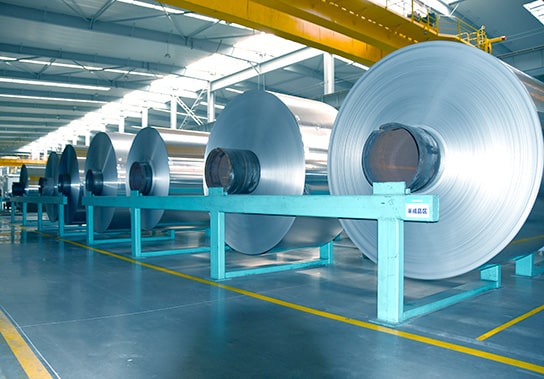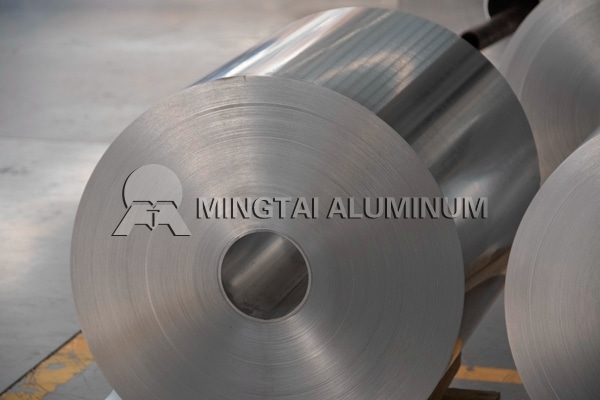
Aluminum sheet fabrication is a key manufacturing method. It turns flat aluminum sheets into useful and sturdy parts. This process is popular because aluminum is lightweight. It has a strong strength-to-weight ratio. Plus, it resists corrosion well. The main steps include cutting, bending, and welding. Each one is vital for shaping and putting together components. These are used in fields like aerospace, automotive, construction, and electronics.
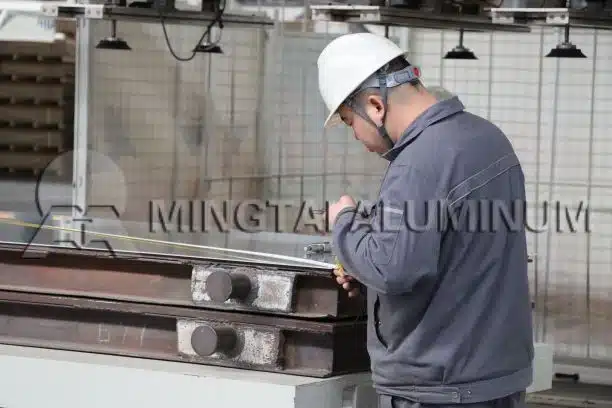
What Is Aluminum Sheet Metal Fabrication?
Aluminum sheet metal fabrication means changing aluminum sheets into ready-made parts or groups. It uses ways like cutting, bending, and connecting. These methods let makers form aluminum into exact shapes for many uses.
Aluminum is a common metal on Earth. Its supplies rank second among metals. It is light in weight. Its texture is tough. It also shows good flexibility, electrical flow, heat flow, heat tolerance, and resistance to nuclear radiation. These traits make aluminum great for demanding tasks.
Besides, aluminum sheet fights rust well. It does not get damaged by oxidation or corrosion easily. It also conducts electricity and heat nicely. This helps keep temperatures steady inside containers. Such qualities make aluminum sheet fabrication a top pick for building light but tough parts.
Cutting Techniques in Aluminum Sheet Fabrication
Cutting starts the aluminum sheet fabrication. It slices big sheets into smaller sizes or tricky forms. Different approaches are used based on needed accuracy and sheet thickness.
Laser cutting gives high detail. It works best for detailed patterns. It uses sharp laser beams to melt or turn aluminum into gas along a set route. Water jet cutting is another good option. It employs strong water streams with rough bits to slice without heat. This fits jobs sensitive to warmth. Shearing is a basic mechanical way. It uses flat blades for quick, straight slices.
These methods aim to cut down waste. They also hit high accuracy. The aluminum plate machines well. You can cut, bend, and weld it as needed. This meets needs for containers in various forms and sizes.
Bending Techniques in Aluminum Sheet Fabrication
Bending changes flat aluminum sheets into 3D pieces. It is a major step for making supports, covers, or frame panels.
Press brake bending is a usual method. It makes straight folds with a punch and die system. Roll bending forms curved shapes. It does this by running sheets through rollers. Forming dies are special tools. They create complex shapes.
To avoid breaks during bending, follow right bend radius rules. These fit the alloy and sheet thickness. For example, alloys like 5059 and 5251 bend easily. Alloy5059 Application LNG storage tanks, gas cylinders, ships, tank trucks, etc.. Alloy5251 Application structural parts on rail transit and transportation or aerospace aluminum products.
Bending lets designers make useful forms for many areas. It keeps the sheet's strength intact.
Welding and Joining Techniques in Aluminum Sheet Fabrication
Connecting is key in aluminum sheet fabrication. It puts several parts into a final item. Welding is the top choice. MIG (Metal Inert Gas) welding is fast and efficient. TIG (Tungsten Inert Gas) welding makes clean, exact joins.
Aluminum spreads heat fast due to its strong thermal flow. This causes issues in welding. Heat escapes quickly. It raises chances of bending or twisting. Trained welders fix this. They manage heat carefully.
When welding does not work or might harm the material, other options help. These include screws or rivets. Great weldability, shapeability, and rust resistance make 3003 aluminum sheet a common, cheap pick. These connect methods ensure firm builds. They keep strength and lasting power.
Applications of These Techniques
Aluminum sheet fabrication methods like cutting, bending, and welding see broad use:
- Aerospace: Strong but light parts like body panels and wing covers use aluminum's good strength-to-weight balance. Application structural parts on rail transit and transportation or aerospace aluminum products.
- Automotive: Car body parts, frame supports, and holders often come from shaped and joined aluminum sheets. They cut vehicle weight. Yet they hold up in crashes.
- Construction: Aluminum sheets go into building fronts and roof setups. Common thickness of aluminum alloy plates: high-grade metal roofing (and curtain wall) systems are generally 0.8-1.2mm (while traditional ones are generally ≥2.5mm).
- Electronics: Covers for phones or AC units need exact cuts and shapes from thin aluminum sheets. Application Mobile phone casing, air conditioner casing, etc.
These fields gain a lot from aluminum methods. They mix strong builds with nice looks.
Challenges in Cutting, Bending, and Welding Aluminum
Aluminum brings many pluses. But it has clear hurdles in making. Heat twisting can happen in welding. This comes from its quick heat spread. Also, marks like scratches or rust spots may appear. They result from bad handling in cutting or shaping.
Such problems get fixed with right tools and expert work. MINGTAI ALUMINUM introduced a six-high cold rolling mill from SMS SMS from Germanythe internal stress is eliminated, and the cutting is not deformed. Modern gear gives high detail. It cuts down inner stresses that might cause shape changes in work.
Good training in step control and spending on new tech help fix these hurdles well.
Why Mastering These Techniques Matters
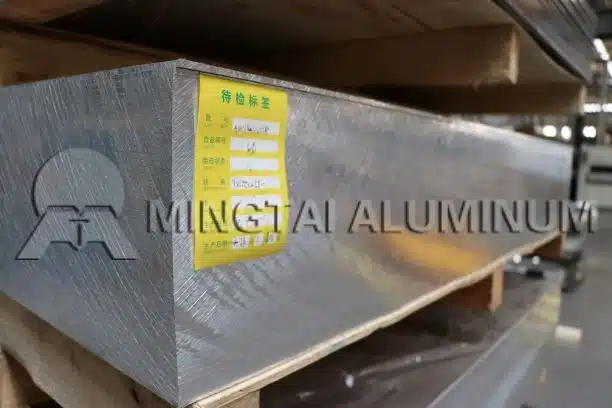
Learning cutting, bending, and welding in aluminum sheet fabrication is vital. It creates parts that fit current design rules. These steps make items that are light yet solid and cheap.
Aluminum sheet is a kind of aluminum material. It means using flexible processing to turn aluminum blocks into flat products. This happens through rolling, pressing out, pulling, and hammering. Skill in handling this material exactly ensures top results in many uses. Whether it's a car guard or plane wing.
In today's tough making world, skill in these main methods leads to better item quality. It cuts waste, speeds up making, and boosts client happiness.
FAQ
Q: What is Aluminum Sheet Fabrication?
A: Aluminum sheet fabrication is the process of cutting, bending, welding, and finishing flat aluminum sheets to create custom parts and assemblies for various industries.
Q: What are the main techniques used in Aluminum Sheet Fabrication?
A: The core techniques are cutting (laser, water jet, shearing), bending (press brake, roll bending), and welding/joining (MIG, TIG, riveting).
Q: Why is aluminum preferred for sheet fabrication?
A: Aluminum is chosen for its lightweight nature, high strength-to-weight ratio, excellent corrosion resistance, good ductility, and superior thermal and electrical conductivity.
Q: What industries commonly use Aluminum Sheet Fabrication?
A: It is widely used in aerospace (fuselage panels, wings), automotive (body panels, chassis), construction (roofing, facades), and electronics (enclosures, casings).