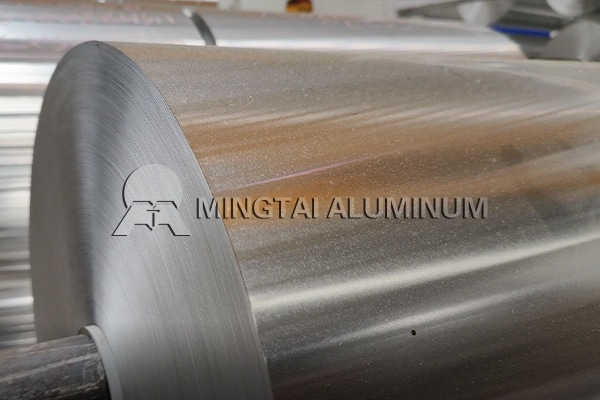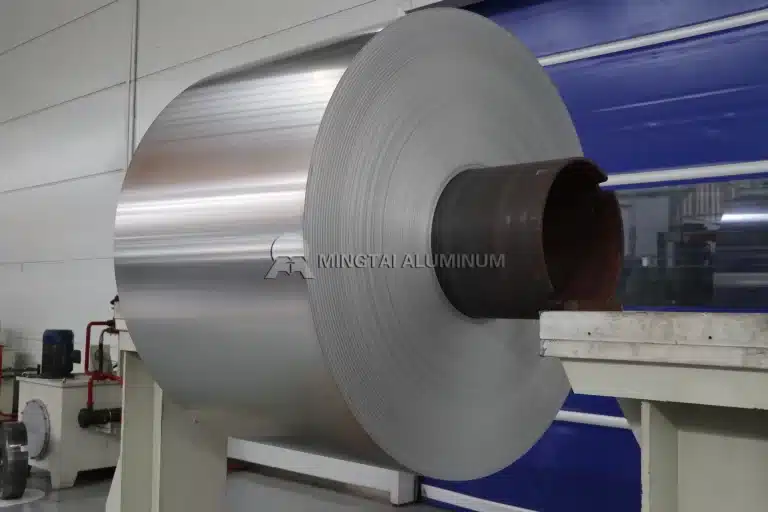
Choosing 5083 aluminum sheet or plate involves more than simply selecting a thinner or thicker option. The right choice relies on load requirements, forming needs, weld design, service conditions, the governing standard, and the supplier’s record for steady quality. This guide explains what 5083 aluminum is. It compares sheet with plate. It also shows how to turn these points into a clear buying plan.
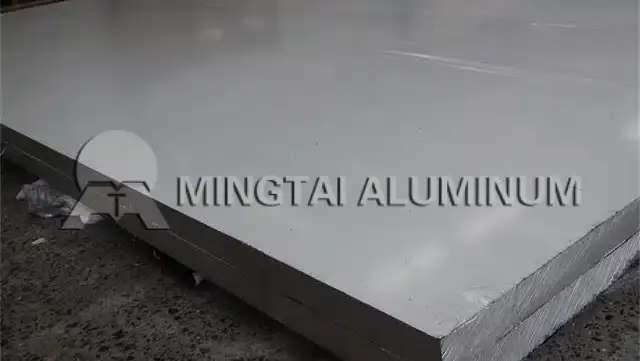
What Is 5083 Aluminum, and Why Is It Used for Sheet and Plate?
5083 aluminum is a non-heat-treatable aluminum-magnesium alloy. It gains strength mainly through strain hardening instead of solution heat treatment. The alloy provides a good combination of medium-to-high strength, low density, good weldability, and strong resistance to marine corrosion. These traits make it a reliable choice in engineering work.
What Are the Main 5083 Aluminum Properties?
Corrosion resistance, weldability, fatigue life, formability and high strength to weight ratio are some of the key properties of 5083 aluminum alloys. In addition, the alloys have good toughness at low temperatures. They can be used in cryogenic and in LNG applications.
The welding of 5083 aluminum alloys does not depend on precipitation-hardening treatment. This Alloy 5083 aluminum alloy is particularly suitable for fabricated structures. The final properties of material of Alloy 5083 depend on a number of factors including the temper, thickness, test direction and applicable specification. Therefore approval of material by alloy number only is not acceptable.
What Is 5083 Aluminum Used For?
5083 aluminum is used for hull sides and bottoms, decks, bulkheads, offshore structures, tank trucks, LNG tanks, gas storage tanks, pressure vessels, refrigeration equipment, rail vehicles, body skins, and flanges. Uses of 5083 aluminum demonstrate its weldability, corrosion resistance, and structural efficiency.
Is 5083 Aluminum a Specialty Metal?
5083 aluminum is a standard wrought grade rather than an exotic metal. Yet certified marine, pressure-vessel, cryogenic, ultra-wide, or extra-thick items can count as specialty supply. Commodity stock does not always ensure the right temper, tight tolerances, corrosion tests, traceability, or inspection papers.
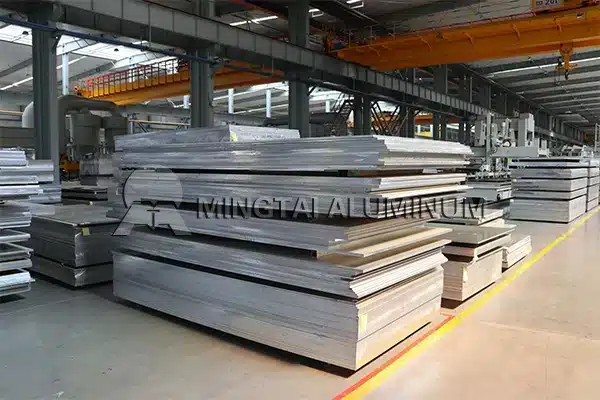
5083 Aluminum Sheet vs Plate: Which Form Fits the Part?
Markets do not share one fixed thickness line. A common trade rule treats material up to 6.35 mm or 0.250 inches as sheet and anything at or above that point as plate. The product standard and purchase order must still set the form. A seller’s label alone is not enough.
When Should You Choose 5083 Aluminum Sheet?
Pick 5083 aluminum sheet when low weight, bending, rolling, stamping, or skin work matters more than section stiffness. It fits enclosures, vehicle panels, light partitions, tank parts, and lighter marine sections.
Thin sheet can come as 5083 aluminum coil for steady processing and easy blanking. Tight bends usually need a softer temper and the right bend radius. A high-strength temper may crack if the forming plan is too sharp.
When Should You Choose 5083 Aluminum Plate?
5083 aluminum plate is often chosen for hull structures, such as decks, frames, and supports, as well as for pressure parts, machined flanges, and tooling, in cases where greater stiffness, load-carrying capacity, or machining ability is required.
Plate can cut the need for built-up sections. Yet extra thickness raises cost and weight. For welded work, the designer must factor in joint efficiency and heat-affected-zone strength instead of using only parent-metal values.
How Should Temper and Thickness Be Selected?
Begin with the forming route and exposure. Then confirm strength and thickness through engineering checks. Temper is more than a label. It tracks the mechanical and thermal steps that shape workability, strength, and corrosion behavior.
Annealed O, H111, and H112 for Forming or General Fabrication
The O temper gives the best ductility. It suits deep forming, dished heads, and heavy bending, though strength is lower.
H111 adds limited strain hardening and balances formability with strength. H112 links to products shaped at higher temperatures and often fits general plate work when its listed properties match the design.
H116 and H321 for Marine Service
H116 and H321 are frequent picks for 5083 marine plate. They are controlled for resistance to exfoliation and intergranular corrosion.
H116 is often used for hull plating and parts that stay wet. H321 is strain-hardened and stabilized. It offers a steady, strong option for marine structures. The two tempers are not always interchangeable. Follow the temper named in the design code, classification society rules, or approved drawing.
How Much Thickness Is Enough?
Thickness comes from load, span, pressure, fatigue cycles, corrosion exposure, forming reduction, weld design, and allowed deflection.
Thin sheet cuts mass and forms with ease. Thicker plate adds stiffness and leaves room for machining or corrosion. Wider plate can also lower the count of long welds. This may help fabrication speed and leak control. Ask for thickness tolerance, flatness, and usable width rather than nominal thickness only.
Which Standards and Documents Should the Buyer Specify?
Typical Specification for Aluminum-Alloy Sheet and Plate: For US orders, ASTM B209/B209M. For European buyers: Sheet, strip, plate: EN 485; Alloy name and chemical composition: EN 573
Marine work may need extra approval under the chosen classification society rules. Pressure equipment must follow the local design and fabrication code.
The purchase spec should list alloy and temper, thickness, width and length, dimensional tolerances, surface condition, grain direction if needed, inspection level, mechanical test needs, corrosion testing when required, and certificate type.
Request lot traceability and a mill test certificate that ties chemistry and mechanical results to the shipped material. If a project needs third-party or classification approval, name it before the quote rather than after production.
How Do You Compare Supplier Capability and 5083 Aluminum Sheet Price?
5083 aluminum sheet price is typically a combination of the current aluminum-ingot basis and processing fee. Many factors can influence the final 5083 aluminum sheet price, such as the required temper, gauge, width and quantity, surface finish requirements, any required testing, certifications, packaging options, and delivery terms.
Compare offers on the same spec and commercial terms. A low unit price can hide loose tolerances, missing papers, or high scrap rates.
At MINGTAI ALUMINUM, we supply 5083 sheet and plate in many tempers and handle wide and thick product needs. Our process control covers alloy makeup, melting and casting, homogenization, and rolling. This helps us serve marine, transportation, tank, and machined-part work.
We ask buyers to share the end use, standard, temper, exact sizes, quantity, certification, and destination. This lets our quote match the real need. MINGTAI ALUMINUM can also review cut-to-size supply, export packaging, and delivery plans.
Evaluate a supplier’s ability, relevant certificates, testing equipment, traceability, size range, packaging, lead time, and technical assistance prior to selecting a supplier. A reliable supplier will flag an unsuitable temper or unclear standard before taking the order.
FAQ
Q: Is 5083 aluminum better as sheet or plate?
A: Neither form is always better. Use sheet for lighter, formable parts and plate for structural, pressure-retaining, or machined items. The drawing, calculation, and governing standard decide.
Q: Can 5083 aluminum sheet be bent and welded?
A: Yes. It offers good weldability. Bendability depends on temper, thickness, bend direction, and radius. O or H111 tempers are usually more formable than harder ones.
Q: What temper of 5083 aluminum plate is used for boats?
A: H116 and H321 are common for marine structures. H111 or H112 may suit other fabricated parts. Follow the approved vessel design and classification rules.
Q: What affects 5083 aluminum sheet price most?
A: This price covers the basis of the metal, processing, temper, thickness, width, quantity, tolerances, certifications, surface finish, packaging and freight.
Q: How should I order aluminum 5083 from MINGTAI ALUMINUM?
A: Send the application, standard, temper, thickness, width, length, quantity, required certificates, delivery destination, and any forming or surface needs. We can then check producibility and prepare a matching quote.