
1100 aluminum sheet is a really useful and budget-friendly option. You'll find it in all sorts of industries. It's common in automotive parts, kitchen items, and plenty more. People like it because it's easy to work with, resists rust well, and conducts heat and electricity better than many others. The metal is quite soft and bends without much trouble. It's great for jobs where you don't need super strength, but you do want something flexible and tough that lasts.
What is a 1100 Aluminum Sheet?
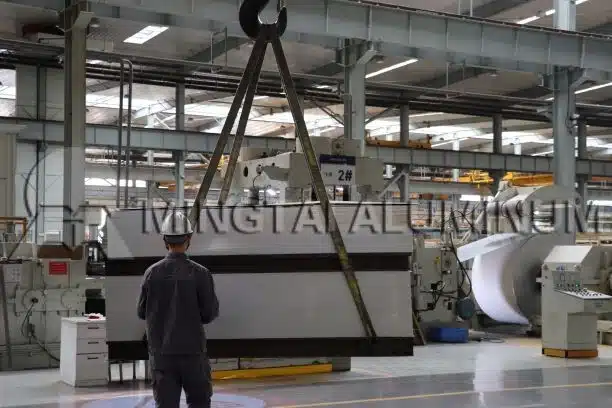
1100 aluminum sheet is almost pure aluminum. It has at least 99.00% aluminum content. This type is called commercially pure. You can't make it stronger with heat treatment. Still, it fights corrosion nicely. It shapes easily, welds without issues, and stretches well. All this makes it a good fit for tasks that require lots of forming or joining.
Physically and mechanically, 1100 isn't very strong. But it shines in moving heat and electricity. You can cold-work it without problems. Shape it into whatever you need—no cracking. Rust doesn't bother it much. It carries heat and power efficiently. It's lightweight with good flexibility. Pressure processes can turn it into many products. Strength stays on the low side, however.
One big plus is the price. As a very pure grade, it keeps costs down. Yet it delivers what most people need. You'll see it in kitchen gear, food handling tools, building walls, heat exchangers, and wiring. Common examples: aluminum-plastic panels, bus doors, pots and pans, curtain walls, heat exchangers.
Properties of 1100 Aluminum Sheet
What makes 1100 aluminum sheet appealing is its blend of traits:
- Corrosion Resistance: High purity gives it strong protection against chemicals and weather. It's a favorite in wet or harsh spots.
- Thermal and Electrical Conductivity: It handles heat and electricity transfer very well. Perfect for parts that need to move energy or stay cool.
- Formability: Being soft, it forms into detailed shapes easily. No breaks. It has solid flexibility. Stamping, bending—most processes work fine.
- Weldability: Almost any welding method does the trick, like gas or spot welding. Fewer alloys mean less chance of cracks.
- Non-Heat Treatable: Some alloys get tougher from heat. Not this one. Its qualities stay the same over time.
All these points let 1100 fit into many uses. It prioritizes easy shaping and lasting power over brute strength.
Applications of 1100 Aluminum Sheet
A. Ductwork and Heat Exchangers
People often pick commercial pure aluminum sheet for ducts and heat exchangers. It's in HVAC setups and vehicle systems. Light weight helps save energy, whether fixed or on the move. Bending it into tricky shapes is straightforward.
1100 foil forms well, fights rust, moves heat around, and has decent strength. Refrigeration units love it for exchangers. Temperatures stay even. It handles sudden changes without trouble. In car air systems, it quiets things down and cleans the air better.
B. Chemical and Food Processing Equipment
1100 stands up to oxidation. Iron content is low. That's why chemical and food plants use it a lot. No contamination worries. It doesn't react with organics or most cleaners.
You get a safe, inert surface for food or harsh chemicals. Anodizing is an option too. That smooths it out and fights bacteria growth.
Easy forming means smooth tanks, vessels, and lines. Pots and pans heat evenly thanks to it.
C. Insulation and Cladding
In buildings, 1100 shows up in insulation layers and outer covers. Fabrication is simple. Jobs go fast. Add custom touches like patterns if needed.
It reflects sunlight naturally. This keeps structures cooler. Weather resistance is strong. It holds up outdoors for years.
D. Aircraft Manufacturing and Architectural Applications
Strength isn't high, so no major aircraft frames. But lighter parts work—like vents or interior trim. Weight savings matter there.
For buildings, it handles weather fine. Think curtain walls, roofs, frames, or siding. Examples: aluminum-plastic panels, bus doors, cookware, curtain walls. It fits right into various designs.
E. Electronics and Electrical Applications
Great at conducting power. So, bus bars, wires, battery connections, and capacitor housings use it.
1100 alloy forms easily, resists corrosion, conducts heat, and holds some strength. Electronics rely on it for capacitor cases. Heat escapes fast. Current flows smoothly. Good for power setups and cooling sensitive gear.
1100 aluminum sheet from MINGTAI ALUMINUM pops up everywhere. From HVAC ducts to building exteriors and electronic parts. Standout features: solid rust protection, top heat and power conduction, easy shaping, and light weight. Industries depend on it.
Shaping is straightforward. Welding is reliable. Hygiene holds up—key for food contact. Engineers trust it for solid results without high costs. With focus on green and efficient materials, 1100 keeps proving its worth in old and new ways.
FAQ
Q: Is 1100 Aluminum Sheet heat treatable?
A: No. Heat won't make it stronger. Cold working can add a bit of hardness, though.
Q: Is 1100 Aluminum Sheet suitable for food contact applications?
A: Yes. Purity is high. Corrosion resistance is excellent. Surface doesn't react. Common in food tools, utensils, and storage. Fully safe and clean for food use.
Q: Can 1100 Aluminum Sheet be welded easily?
A: Yes. Welds great with common techniques like gas or spot methods. Low risk of issues.
Q: What are the main differences between 1100 Aluminum Sheet and higher-strength alloys like 3003?
A: 1100 excels in shaping, conduction, and rust protection. Strength is lower. 3003 adds manganese for more toughness. It trades some flexibility and conductivity for that. Better for heavy-duty structures.


