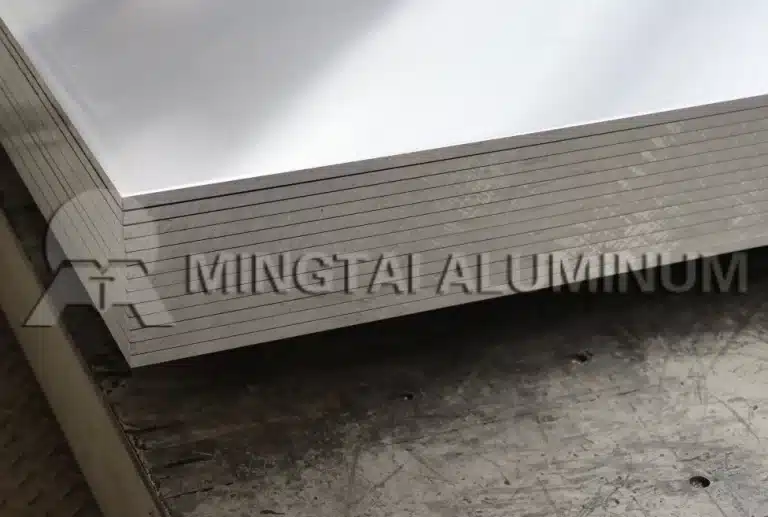
In industries like making things, aerospace, transport, and construction, getting the right thickness for aluminum sheets really matters. It affects strength, how well it works, and keeping costs down. But people often mix up gauge numbers with real thickness. It's even trickier when you compare aluminum to steel.
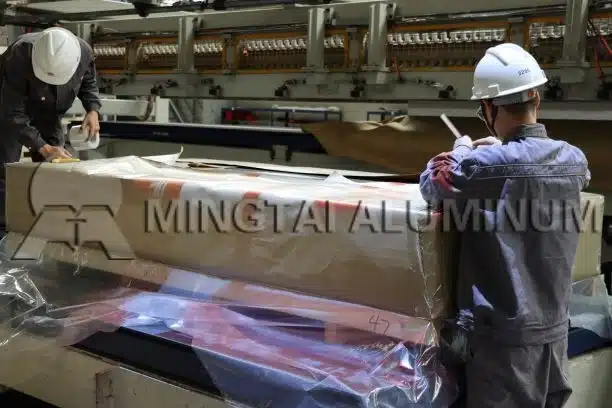
"Gauge" is just a number system for sheet metal thickness. It doesn't go up in a simple way like inches or millimeters. Plus, the same gauge for aluminum isn't the same as for steel or stainless. This article breaks down what gauge means for aluminum. It explains why it's not what you might think. And it gives tips on choosing the right one for your job.
What Gauge Means for Aluminum Sheets
Aluminum sheet gauge is the standard way to label sheet thickness. Lower numbers mean thicker sheets. So 10-gauge is way thicker than 20-gauge.
This system comes from old rolling processes. Each pass through rollers thinned the metal. The gauge counted those passes. That's why it's not even or straightforward.
Aluminum has its own gauge standards, different from steel. You always need to look up the real thickness in inches or mm. Common thickness of aluminum alloy sheet: Advanced metal roof (and curtain wall) system is generally 0.8-1.2mm (while traditional one is generally ≥2.5mm). This point shows why building projects need exact measurements. Just using gauge isn't enough.
Why Aluminum Gauge Doesn't Match What You Expect
Lots of folks assume gauge works the same for every metal. But it doesn't. Aluminum with the same gauge is usually thinner than steel. Take 16-gauge: aluminum is about 0.0508 inches (1.29 mm) thick. Steel is around 0.0598 inches (1.52 mm). This changes weight and how strong it is.
Aluminum weighs less. That's great for vehicles and planes. But for extra strength, you might need a lower gauge.
Always check good conversion charts to avoid errors. Places like Engineering ToolBox or ASTM standards have accurate ones.
Thinner aluminum can save on shipping. It also fights rust better with the right alloy. Offering a combination of increased strength, corrosion resistance, and machinability, make it the most widely used aluminum grade. Pairing alloy and thickness right helps with building needs and tough conditions.
Tips to Pick the Best Aluminum Gauge
It's not just about the number. Here are five helpful tips:
1. Know Your Application Requirements
Jobs vary in what they need. Heavy structures want lower gauges for toughness. For example, 6061 Aluminum Sheet is ideal for structural framing, base plates, gussetts, motorcycle & automotive parts, etc. Higher gauges are fine for light covers or decorative parts.
2. Always Verify Actual Thickness
Don't trust gauge alone when buying. Use charts to switch to inches or mm. This makes sure everything matches between suppliers.
3. Factor in Manufacturing Processes
Bending or welding can be tough on thin sheets. They might crack or warp. 6061 Aluminum Sheet is heat treatable, resists cracking due to stress, is easy to weld and machine, but limited on formability. Always check if it fits your methods.
4. Balance Weight, Cost, and Performance
Aluminum's light weight helps cut fuel in vehicles. But stronger jobs might need thicker stuff. That bumps up material and shipping prices.
5. Consult with Experts
Good suppliers know alloys and what works best. They can help get better results with less waste.
Why Picking the Right Gauge Is Important
Getting it wrong can cause failures or waste money. Right choice means safer, longer-lasting projects.
For things like car bodies or aircraft parts, proper thickness gives strength without extra weight. Marine grade 5083 aluminum alloy is one of the most widely used aluminum plates in ship manufacturing. It shines in harsh sea conditions.
For roofs or building facades, it handles wind and weather. Common thickness of aluminum alloy plates: high-grade metal roofing (and curtain wall) systems are generally 0.8-1.2mm (while traditional ones are generally ≥2.5mm). In signs, the right gauge keeps it stiff and light for looks and function. Our aluminum traffic signs are engineered for maximum durability and visibility, ensuring safe and efficient traffic control.

Work with a Trusted Partner
Gauge selection involves standards, alloys, and process fit. A solid supplier makes it easier.
Companies like MINGTAI ALUMINUM have big stock in many grades and sizes. Our technical support team provides expert recommendations tailored to your project’s structural and functional requirements. From transportation panels to marine-grade plates and reflective signage materials, MINGTAI ALUMINUM ensures precision and reliability throughout your procurement process.
Recently, 286 tons of 5083 marine aluminum sheet with specification of 4/5/6/12mm x1500mm x 6000mm was signed and sent to Indonesia; showcasing their ability to meet bulk orders with specific dimensional needs.
Check out MINGTAI ALUMINUM’s full range of aluminum sheets. Reach out to their team for help picking the best gauge for your needs.
FAQ
Q: Is aluminum gauge the same as steel gauge?
A: No, aluminum gauge is not equivalent to steel gauge. For the same gauge number, aluminum sheets are typically thinner than steel sheets (e.g., 16-gauge aluminum is about 0.0508 inches thick, while 16-gauge steel is around 0.0598 inches).
Q: How do I convert aluminum gauge to actual thickness?
A: Always refer to a standard aluminum gauge-to-thickness conversion chart for precise inches or millimeters. The relationship is non-linear, so direct calculations are unreliable—use reliable sources like industry charts for accurate conversions.
Q: How should I choose the right aluminum gauge for my project?
A: Consider your application's needs: thicker (lower) gauges for structural strength and load-bearing, thinner (higher) gauges for lightweight or aesthetic uses. Factor in manufacturing processes, weight, cost, and consult charts or experts for optimal selection.