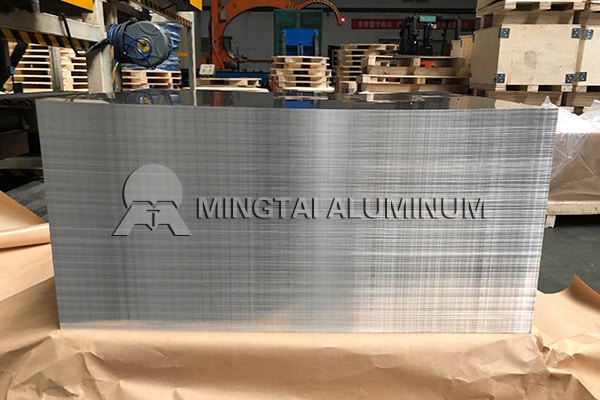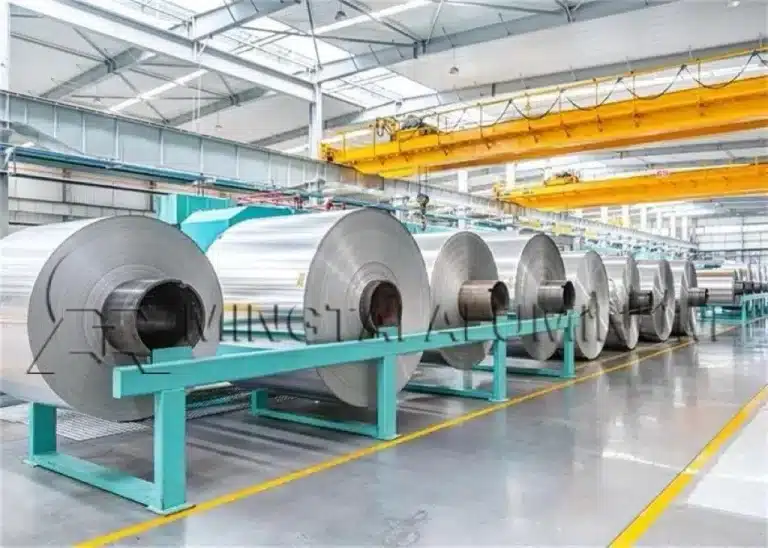
Aluminum safety signs are tough, rust-proof signage options built to share key safety details in places like factories, warehouses, roads, construction areas, and emergency spots. Their strength and ability to withstand weather make them perfect for inside and outside spots. Our aluminum traffic signs are made for top strength and clear sight, guaranteeing safe and smooth traffic management. Yet, making signs that follow safety rules involves more than picking the best material.
Following safety guidelines is not only about meeting legal needs. It relies a lot on how fast and plainly the message can be read and grasped. A messy or tough-to-read sign can slow down spotting dangers. This might lead to accidents or failures in checks.
From a production viewpoint, the design of aluminum safety signs needs to fit the traits of the material. Aluminum's even surface, shine, and firmness affect choices for layout, font clarity, and color difference.
Why Design Affects Compliance in Aluminum Safety Signs
In actual work settings, employees lack the time to examine a sign closely. They might run machines, move through busy routes, or handle urgent situations. Safety signs must send their message in mere seconds.
If layouts feel crowded or colors mix badly with the backdrop, spotting hazards takes longer. This raises the chance of mishaps or rule breaks. Visual mix-ups can also lessen the value of reviews. That is because assessors seek steady, easy-to-read alerts.
Smartly planned aluminum safety signs bring various benefits:
- Quicker grasp: Plain text order and familiar icons aid users in understanding risks fast.
- Less accidents: When alerts are noticed and comprehended right away, people are more apt to obey them.
- Smoother checks and reviews: Steady design that fits rule expectations cuts the chance of fines.
With weather-proof layers and solid build, these signs deliver lasting results in every setting. That toughness pairs well with critical areas. However, design ensures the message truly gets through.
Basic Safety Standards You Must Design For
To achieve basic compliance for aluminum safety signs, creators should stick to these main rules:
- Alert words like DANGER, WARNING, and CAUTION must be picked right based on the risk level. DANGER fits instant threats that cause death or major harm. WARNING suits possible serious dangers. CAUTION covers milder risks.
- Set colors are key. Red often shows instant danger (DANGER). Orange points to warnings (WARNING). Yellow marks caution (CAUTION). These hues must pop against aluminum’s silver tone.
- Even look across all signs guarantees sameness in communication. It helps staff decode signs swiftly in varied spots.
These rules are not mere details. They are basic to sending messages well on firm metal panels.
Layout: Keeping Messages Clear on Aluminum Signs
Strong layout is vital when planning for aluminum panels. A standard aluminum safety sign features:
- Alert word (e.g., DANGER) at the top in a framed box
- Icon below or next to the alert word
- Brief, straightforward text note on the risk or needed step
Aluminum’s fixed shape restricts room. So, avoid packing in too much writing or extra symbols. Keep text parts short. Use dots if needed to hold clarity.
Outdoor clarity also hinges on how the layout endures over time. Their strong shine offers great sight even in dim light. But if layouts use tiny fonts or packed lines too much, worn surfaces might cut readability.
Pictograms: Faster Recognition, Less Text
Icons play a big role in cutting down text needs. They boost understanding across language gaps. A smart symbol can share more than a whole line in less than a second.
For aluminum safety signs, always pick standard icons from places like ISO 7010 or ANSI Z535. Symbols like skull-and-crossbones (toxic), flame (flammable), or exclamation mark (general caution) are known widely in fields.
Right size matters a lot. Icons should be big enough to get from the usual view range. That is often at least 50–75 mm tall for inside areas. Go bigger for outside setups. Place them in key spots near the alert word and text. Usually above or left of the note.
Readability: Text, Contrast, and Surface Finish
Font choice counts. Pick clean fonts like Arial or Helvetica for ease and sharpness. Use full caps for alert words. But skip it in other spots. That is because it lowers clarity in extended notes. Letter size should match view range. For instance, 25 mm letters work at about 7.5 meters.
Difference is just as important. On plain aluminum or textured finishes, black writing gives fine sight. For colored backs (like red or orange boxes), pick white or black text. Choose what reads better.
Shine poses another issue with aluminum. Shiny or smooth finishes can create reading problems under bright lights or sun. Flat layers or shine-block covers ease this. They keep sight while cutting the effect. Make sure the layer is even. Avoid color shifts. Ensure firm sticking.
Common Design Mistakes in Aluminum Safety Signs
A few usual flaws cut both usefulness and rule-following:
- Filling the sign with excess writing makes quick reading tough.
- Poor difference between writing/icons and the metal face lowers clarity. This happens most on textured or very shiny finishes.
- Ignoring setup height and view range leads to font sizes too tiny for safe reading from needed spots.
Keep in mind: aluminum’s enduring strength does not aid if the message stays unclear.
A Quick Design Checklist for Compliance
Use this list to check your aluminum safety sign plan before making:
- Does the right alert word match the risk level?
- Is the key message clear at the needed view range?
- Are icons plain, standard, and fittingly sized?
- Does the color plan suit your aluminum surface type?
- Have you handled surface shine with right layers?
Also confirm that forms follow usual patterns. Common shapes of signs include: horizontal rectangle, vertical rectangle, square, rhombus, pentagon, triangle, etc.
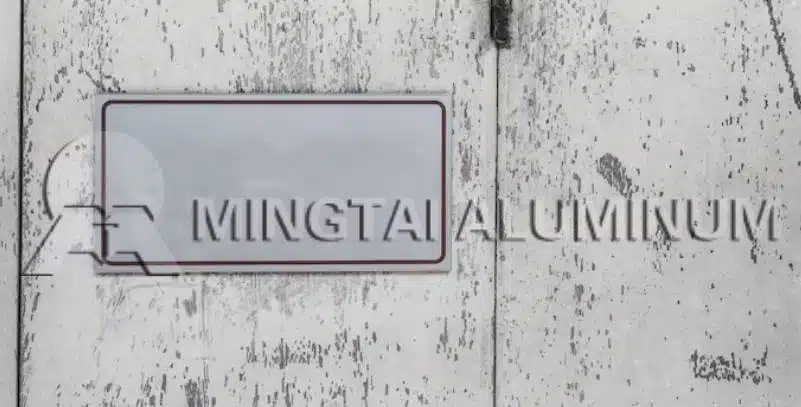
Aluminum safety signs are made to endure. But their lasting quality alone cannot secure rule-following or work safety. Solid design makes sure info reaches right away and precisely. It boosts both people’s safety and rule match.
Aluminum traffic signs from MINGTAI ALUMINUM are made for top strength and clear sight, ensuring safe and smooth traffic management. Yet, teaming with an aluminum maker guarantees more than good material. You get a rule-fitting plan that works well in true conditions.
FAQ
Q: Are aluminum safety signs suitable for outdoor use?
A: Yes. Aluminum safety signs resist rust, handle weather, and stay stable in UV light. This makes them great for lasting outside jobs like roads, building sites, and factory areas.
Q: Do aluminum safety signs meet OSHA or ANSI requirements?
A: Aluminum safety signs can match OSHA and ANSI rules fully. Do this with proper alert words, colors, icons, and plan. Rule-following relies on design correctness, not just the material.
Q: How long do aluminum safety signs remain readable?
A: Top aluminum safety signs with good layers and difference stay clear for years. Even in rough spots. Flat or shine-block finishes aid lasting clarity.