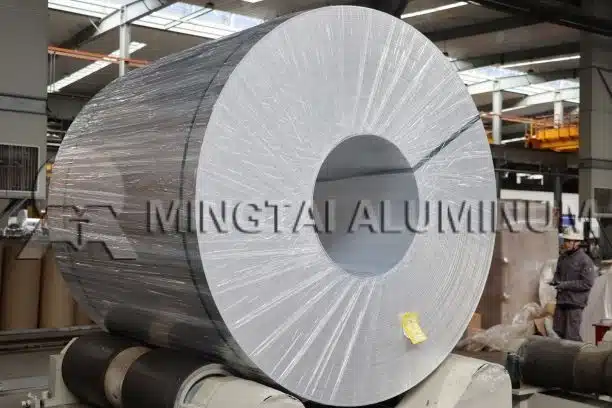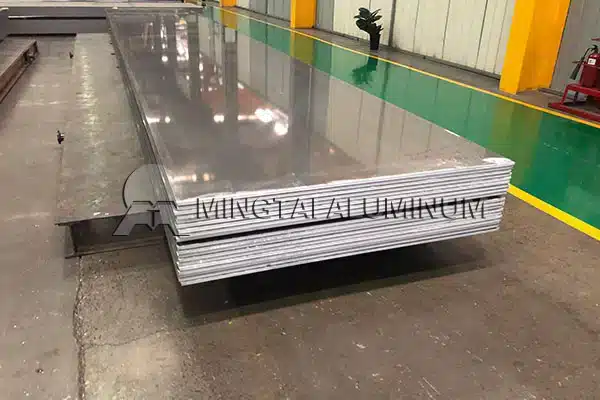
Overview of 5052 H32 Aluminum Sheet
Composition and Alloy Characteristics
The 5052 aluminum sheet is an AL-Mg alloy aluminum plate. Magnesium serves as the primary alloying element in the 5052 alloy aluminum sheet. It stands as the most common rust-resistant aluminum. Chromium addition boosts its strength and corrosion resistance. This creates a good mix of mechanical reliability and toughness. The H32 temper means the material has been work-hardened and somewhat softened by annealing. It reaches the best mechanical traits. This offers a fair balance between strength and shaping ease. At MINGTAI ALUMINUM, we make 5052 H32 aluminum sheets with careful process oversight. We ensure steady composition and strong anti-corrosion results in various industrial uses.
Mechanical and Physical Properties
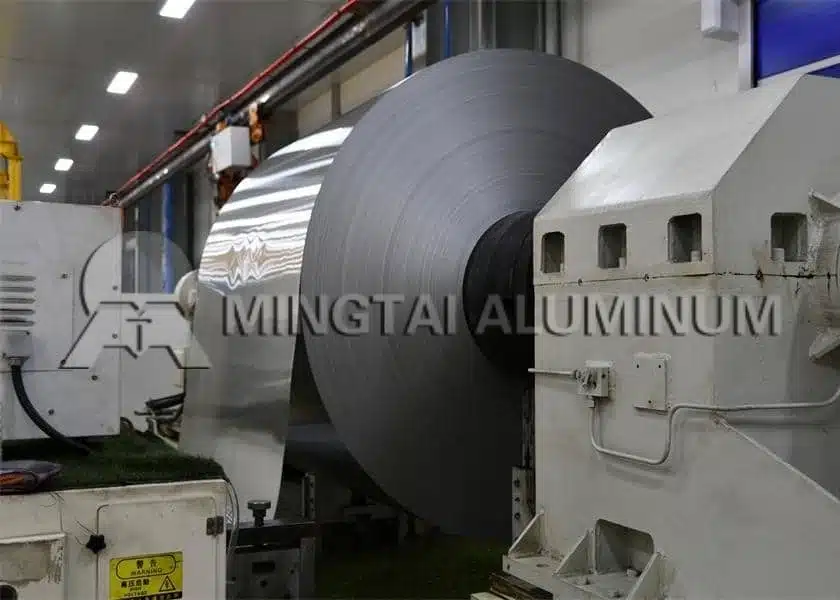
This alloy shows good fatigue strength, high flexibility, and does not gain strength from heat treatment. Its flexibility is solid when hardened. However, flexibility drops when cold worked. Machinability is not great, but it polishes well. These traits suit it for shaping tasks that need both power and flexibility. The alloy also has fine weldability. It keeps a smooth surface after building. Our MINGTAI ALUMINUM 5052 H32 aluminum sheets display medium to high strength. They have outstanding fatigue endurance. This makes them perfect for tough structural or sea-based tasks.
Mechanisms of Corrosion Resistance in 5052 H32 Aluminum Sheet
Formation of Protective Oxide Film
The corrosion resistance of 5052 H32 aluminum sheet comes mainly from its skill in building a steady oxide film on the surface. This natural oxide coat blocks water and oxygen entry. It cuts down on chemical reactions that cause rust. The magnesium level helps form a thicker, firmer oxide film than pure aluminum. Plus, the protective film can be rebuilt if scratched. This gives lasting safety even with physical damage or weather exposure.
Role of Magnesium and Chromium Additions
Magnesium improves defense against sea and factory air by steadying the oxide layer from salt damage. Chromium helps refine the grain setup. This lowers the risk of corrosion between grains. Both elements work together to better resist pitting in salt-heavy settings like ocean water or road salt areas. At MINGTAI ALUMINUM, our metal design keeps magnesium and chromium at ideal levels. This delivers top corrosion results in coastal and chemical fields.
How Does Aluminum Foil Perform in Various Corrosive Environments?
Performance of Aluminum Foil in Marine and Saltwater Exposure
Strong corrosion defense, solid weldability, and great shaping ability make 5052 Aluminum Sheet a usual pick for chemical, sea, or saltwater jobs. Its fine resistance to ocean rust stems from a magnesium-packed oxide layer. This shields from salt particles. The trait leads to wide use in ship bodies, fuel holders, and sea parts where salt contact lasts. 5052 Aluminum Sheet applications include: tanks, marine hardware, boat hulls, etc. In tests with ongoing salt mist, 5052 beats alloys like 3003 or 6061. This happens because of its greater magnesium amount and steadier protective layer.
Performance of Aluminum Foil in Industrial and Chemical Environments
In factory areas hit by dirt or light base solutions, the 5052 H32 aluminum sheets holds its shape through its steady chemical oxide surface. It handles air pollutants like sulfur dioxide or ammonia gases without much wear. This fits it for chemical storage holders, pressure containers, heat changers, and other parts facing changing wetness or harsh gases. Our MINGTAI ALUMINUM items are built for reliable work. They handle repeated heat or dampness strains in plant settings.
Surface Treatments and Finishing Techniques for Enhanced Protection
Anodizing Processes
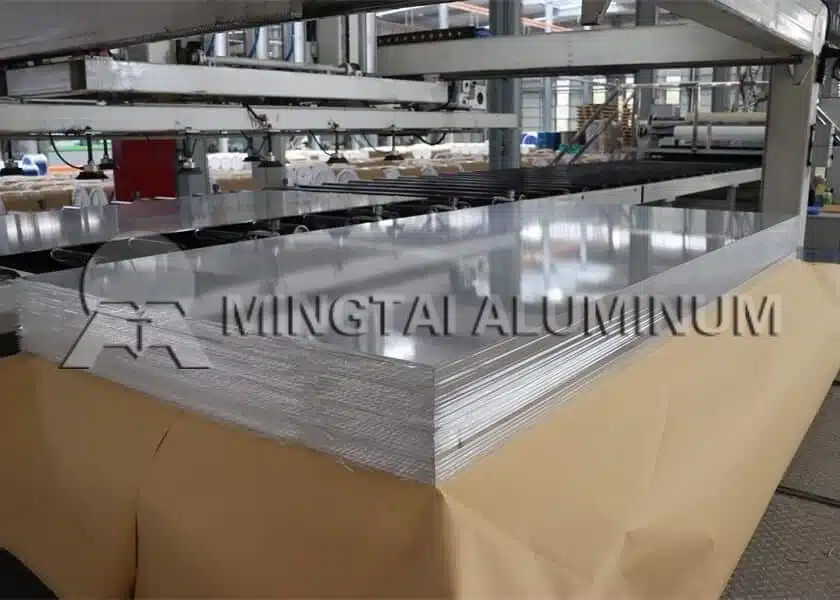
Anodizing builds up the natural oxide layer on 5052 H32 aluminum sheet surfaces. It adds better wear defense along with a stronger corrosion guard. Managed anodic oxidation allows exact control of surface holes. This is great for paint or sealer grip in building panels or outdoor gear parts. At MINGTAI ALUMINUM, we provide tailored anodizing options. They boost both looks and lasting quality in building materials.
Coatings and Sealants Application
Organic covers like epoxy bases or polyurethane finishes lengthen the use life. They block UV light and tough chemicals. Good surface prep, such as cleaning or roughening, ensures a strong bond between cover systems and the base metal. These methods help a lot for sea structures or transport boxes open to rough weather changes.
Comparative Analysis with Other Aluminum Alloys
Comparison with 3003 Aluminum Alloy
Compared with 3003 alloy, which uses mostly manganese, 5052 has more magnesium. This leads to better corrosion results in salty air. It also gives higher pull strength. At the same time, it keeps similar shaping traits needed for deep pulls or bends.
Comparison with 6061 Aluminum Alloy
As a non-heat-treatable alloy, 5052 stays size-stable during welding. Unlike heat-treatable types like 6061, which can weaken near weld spots. Its better pitting defense fits it more for sea builds or harsh chemical areas. There, long-term trust matters most.
Applications Leveraging Corrosion Resistance Properties of 5052 H32 Aluminum Sheet
Marine Industry Applications
Our MINGTAI ALUMINUM 5052 H32 sheets see heavy use in boat bodies, deck parts, walkways, and fuel holders. These need steady seawater contact without breakdown. Their lightweight and strong, rust-proof build means low upkeep over work years.
Transportation and Aerospace Uses
In transport fields like truck trailers or plane fuel setups, where less weight boosts efficiency, this alloy gives a fine mix of mechanical soundness and weather toughness. Pressure holders made from our sheets show great no-leak performance. Even after long use periods.
Architectural and Structural Implementations
For building plans open to city dirt or shore air, such as outer panels, roof sheets, wall covers, or rails, the long-lasting stability of anodized 5052 keeps its lasting appeal without often repainting. The product enjoys high market trust. It has expert processing skills, steady performance, good shaping and handling traits, and strong corrosion resistance. These features make it one of MINGTAI ALUMINUM’s top rust-proof items in worldwide building work.
FAQ
Q: What makes MINGTAI ALUMINUM’s 5052 H32 aluminum sheet different from other suppliers?
A: We keep tight quality checks on alloy makeup and rolling steps. This ensures steady mechanical traits and top anti-corrosion action in every batch we make.
Q: Can MINGTAI ALUMINUM customize thicknesses or tempers for specific applications?
A: Yes. We provide thicknesses from 0.5 mm up to several hundred millimeters. Temper choices include O through H38 based on what customers need.
Q: Is anodizing necessary for all marine uses?
A: While natural oxide films offer solid protection from the alloy’s magnesium boost, anodizing adds more strength under long saltwater soak conditions.
A: What industries benefit most from using our 5052 H32 aluminum sheet?
A: Main fields include shipbuilding, auto making (pedals or body panels), plane fuel hold systems, chemical gear building, and building covers open to rusting air.